




Table of Contents Show
The collapse of a major UK DIY retailer has once again highlighted the challenges facing Britain’s retail sector. Reports indicate that Homebase, one of the country’s best-known home improvement chains, entered administration owing approximately £803 million, while around 2,300 jobs were lost as a result of the business failure. The development has raised important questions about the future of the UK DIY market, the impact on employees and customers, and the wider pressures affecting retailers across the country.
For many consumers, administration can seem confusing and concerning. Employees may worry about their livelihoods, customers may be unsure about existing orders, and suppliers may face uncertainty regarding outstanding payments. Understanding what administration means and why businesses enter this process can help people better navigate the situation.
This article explains the circumstances surrounding the UK DIY retailer administration, what it means for stakeholders, and what lessons can be learned from one of the largest retail failures in recent years.
What Has Happened to the UK DIY Retailer?
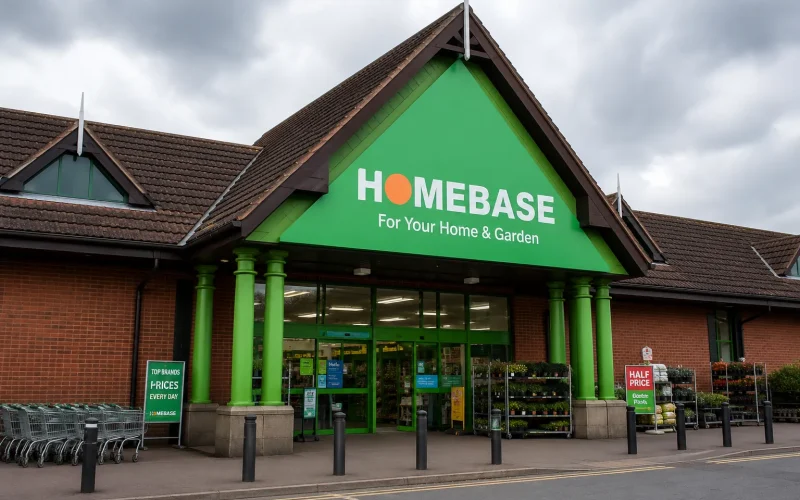
Homebase, a long-established home improvement and garden retailer in the UK, entered administration after experiencing significant financial difficulties. The retailer had faced years of challenging trading conditions despite multiple restructuring efforts.
Reports suggest the company owed approximately £803 million at the time of its collapse, while around 2,300 jobs were ultimately affected. The administration followed ongoing financial pressures, weakening consumer demand, inflationary costs, and difficulties securing future funding.
Several stores and business assets were subsequently sold as part of efforts to preserve value and protect as many jobs as possible. However, a significant number of employees and creditors were impacted by the administration process.
Key Facts at a Glance
| Detail | Information |
|---|---|
| Retailer | Homebase |
| Industry | DIY and Home Improvement |
| Reported Debt | Approximately £803 million |
| Jobs Lost | Around 2,300 |
| Administration Type | Corporate Administration |
| Key Challenges | Inflation, consumer spending decline, competition, financing difficulties |
| Impact | Employees, customers, suppliers and creditors affected |
What Does Administration Mean for a UK Retailer?
Administration is a formal insolvency procedure designed to protect a company from immediate creditor action while professional administrators assess the best way forward.
The primary goals of administration are:
- Rescue the business as a going concern where possible.
- Achieve a better outcome for creditors than immediate liquidation.
- Realise assets in an orderly manner.
When a retailer enters administration, appointed administrators take control of the company. They evaluate whether parts of the business can be sold, restructured, or preserved.
Importantly, administration does not automatically mean a business closes forever. Some retailers successfully emerge from administration after restructuring or being sold to new owners.
Why Did the DIY Retail Giant Enter Administration?
Financial Pressures Facing UK Retailers
The UK retail sector has experienced significant economic challenges over recent years. Rising borrowing costs, increasing wages, higher energy bills, and inflation have all placed pressure on business profitability.
Retailers with large store networks often face substantial operational costs, making it difficult to remain competitive when consumer spending slows.
Changes in Consumer Spending Habits
Many households have reduced discretionary spending due to cost-of-living pressures. Home improvement projects, particularly larger renovations, are often delayed when consumers prioritise essential expenses.
As demand weakens, retailers can experience declining sales and shrinking profit margins.
Rising Operating Costs and Economic Challenges
Businesses across the retail sector have faced:
- Increased energy costs
- Higher logistics expenses
- Rising supplier costs
- Wage inflation
- Business rate pressures
These factors can significantly impact profitability, particularly for retailers operating large physical store estates.
Competition from Online and Discount Retailers
Consumer shopping habits continue to evolve. Online retailers often offer broader product ranges, competitive pricing, and convenient delivery options.
Traditional retailers must balance maintaining physical stores while investing in digital infrastructure, creating additional financial pressures.
How Will the Administration Affect Employees?
The Reported Loss of 2,300 Jobs
One of the most significant consequences of the administration has been the reported loss of approximately 2,300 jobs.
For employees, administration often creates uncertainty regarding future employment, wages, benefits, and redundancy rights.
Although some jobs may be preserved through business sales or store transfers, others may unfortunately be lost if stores close permanently.
Employee Rights During Administration
Employees retain important legal protections under UK employment law.
These may include:
- Outstanding wage claims
- Holiday pay entitlements
- Statutory notice pay
- Statutory redundancy payments
The exact position depends on individual employment circumstances and the outcome of the administration process.
Redundancy Pay and Support Options
Eligible employees may be able to claim statutory redundancy payments through government-backed schemes if the employer cannot meet its obligations.
Workers affected by retail insolvencies are generally encouraged to seek guidance from administrators, employment advisers, or relevant government resources.
What Does This Mean for Customers?
Customers often have immediate concerns when a retailer enters administration.
Existing Orders and Deliveries
In many cases, administrators attempt to fulfil existing customer orders where possible. However, outcomes can vary depending on stock availability and operational circumstances.
Customers should monitor official announcements for updates.
Gift Cards, Returns and Refunds
Gift cards may become invalid or subject to restrictions following administration.
Similarly, refund and return policies can change depending on the administrator’s decisions.
Customers should check official retailer communications before making assumptions regarding purchases.
Warranties and After-Sales Support
Product warranties may continue if provided by manufacturers rather than the retailer itself.
Customers should review warranty documentation carefully to determine who is responsible for ongoing support.
How Could Suppliers and Creditors Be Impacted?
Suppliers and creditors are often among the most affected stakeholders during a retail administration.
Understanding Unsecured Creditors
An unsecured creditor is an organisation or individual owed money without specific security attached to assets.
Examples include:
- Product suppliers
- Service providers
- Landlords
- Logistics companies
These creditors frequently face significant losses during insolvency proceedings.
Supplier Payment Concerns
When a retailer enters administration, outstanding invoices may remain unpaid.
Creditors are ranked according to insolvency rules, meaning unsecured creditors often recover only a portion of what they are owed, if anything.
Recovery Prospects
Recovery depends on:
- Asset values
- Sale proceeds
- Administrative costs
- Secured creditor claims
- Overall financial position
Each administration case produces different outcomes for creditors.
What Does the Homebase Situation Reveal About the UK Retail Sector?
The Homebase administration reflects broader challenges affecting retailers across the UK.
Challenges Facing High Street Retailers
Many retailers face:
- Reduced footfall
- Online competition
- Inflationary pressures
- Rising property costs
- Changing consumer behaviour
These factors continue to reshape the retail landscape.
The State of the UK DIY and Home Improvement Market
The DIY sector experienced strong demand during the pandemic when consumers invested heavily in home improvement projects.
However, market conditions changed as economic pressures increased and discretionary spending weakened.
Lessons for Other Retail Businesses
The situation demonstrates the importance of:
- Financial flexibility
- Strong cash flow management
- Digital transformation
- Cost control
- Customer-focused strategies
Businesses that adapt quickly are often better positioned to withstand economic challenges.
Administration vs Liquidation: Understanding the Difference
| Feature | Administration | Liquidation |
|---|---|---|
| Main Objective | Rescue or restructure business | Close business permanently |
| Trading Activity | May continue | Usually stops |
| Job Protection | Some jobs may be saved | Most jobs end |
| Asset Sales | Controlled process | Assets sold to repay creditors |
| Future Business Potential | Possible recovery | Business ceases |
Understanding this distinction helps explain why administration is often viewed as an attempt to save viable parts of a business rather than immediately shutting everything down.
Could the Retailer Recover from Administration?
Recovery remains possible in some administration cases.
Potential Sale Opportunities
Administrators may sell:
- Store portfolios
- Brands
- Intellectual property
- Distribution operations
These transactions can preserve employment and maintain business continuity.
Restructuring Possibilities
Some companies emerge from administration after:
- Debt restructuring
- Cost reductions
- New investment
- Operational improvements
Real-Life Example
A retailer facing declining sales may close underperforming stores while selling profitable locations to another operator. Although some jobs may be lost, thousands of others can be preserved through the transfer.
This demonstrates how administration can sometimes provide a path to partial recovery rather than complete closure.
What Consumers and Employees Should Watch Next
Several developments are likely to shape the outcome of the administration:
- Future store closure announcements
- Additional business sales
- Employee transfer arrangements
- Creditor recovery updates
- Customer service changes
- Brand ownership developments
Stakeholders should rely on official administrator communications for the most accurate information.
Conclusion
The UK DIY retailer administration involving Homebase serves as a significant reminder of the challenges facing modern retailers. With reported debts of approximately £803 million and around 2,300 jobs lost, the collapse highlights the combined impact of economic pressures, changing consumer behaviour, rising operational costs, and increasing competition.
While administration creates uncertainty for employees, customers, suppliers, and creditors, it remains an important mechanism designed to maximise value and potentially preserve viable parts of a business.
As the UK retail landscape continues to evolve, businesses that adapt to changing market conditions, embrace innovation, and maintain financial resilience are likely to be best positioned for long-term success.
FAQs
How long can a retailer remain in administration?
Administration can last several months or even years depending on the complexity of the business, asset sales, and creditor negotiations.
Are customers protected when a retailer enters administration?
Some protections may exist, but customer rights depend on the specific circumstances, payment method used, and decisions made by administrators.
Can employees claim unpaid wages after administration?
Yes. Eligible employees may be able to claim unpaid wages and other statutory entitlements through applicable government schemes.
What happens to suppliers owed money by an insolvent retailer?
Suppliers become creditors and may submit claims during the administration process. Recovery levels vary significantly.
Is administration always the end of a business?
No. Some businesses successfully restructure, secure investment, or are sold to new owners and continue operating.
Why are UK retailers facing increasing financial pressure?
Factors include inflation, higher operating costs, changing consumer habits, online competition, and economic uncertainty.
How does administration affect local communities?
Store closures can reduce local employment opportunities, impact nearby businesses, and affect community spending patterns.