



A 29-year-old Saudi prince died in a Kensington hotel after consuming a potentially fatal combination of alcohol, GHB, cannabis and anti-anxiety medicines, an inquest has concluded.
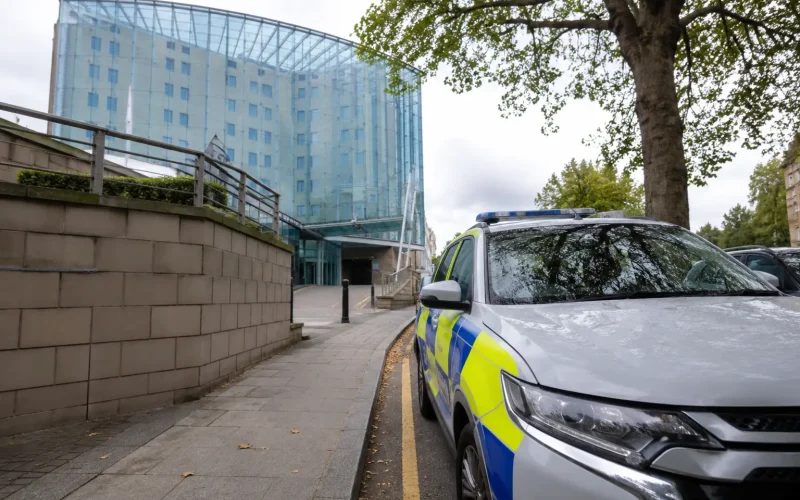
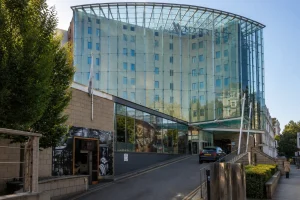
Prince Abdullah bin Fahd bin Abdullah bin Abdulaziz bin Musaed bin Jalawi Al Saud was found unresponsive in the bathroom of his fifth-floor room at the Marriott Hotel on Cromwell Road, west London, on 25 November 2025.
Evidence heard at Inner West London Coroner’s Court showed that the prince suffered a cardiac arrest following multi-drug ingestion. Assistant Coroner Jean Harkin recorded a conclusion of death by misadventure.
The coroner found no evidence that Prince Abdullah had intended to take his own life and no indication that another person had been involved in his death. CCTV reportedly showed him alone on the night before he was found.
What Happened at the Kensington Hotel?
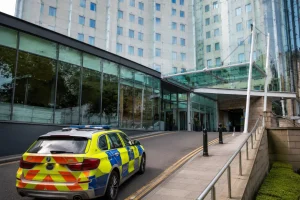
Prince Abdullah checked into the Marriott Hotel on 19 November for a planned one-week stay. He was last seen on CCTV the evening before his death, when he went outside to smoke a cigarette.
A cleaner later entered the locked hotel room and found him fully clothed on the bathroom floor. Hotel security staff and the ambulance service were called, but attempts to resuscitate him were unsuccessful.
The inquest heard that his blood contained 222mg of alcohol per 100ml. This was almost three times the 80mg drink-driving limit in England, although the driving limit is not a measure of whether a concentration is medically fatal.
A toxicology examination also identified potentially fatal levels of gamma-hydroxybutyrate, commonly known as GHB. Traces of cannabis were detected, together with a recreational dose of alprazolam, sold under the brand name Xanax, and therapeutic levels of other anti-anxiety medicines.
A post-mortem examination found no acute or chronic illness that independently explained the death. The medical cause was recorded as cardiac arrest resulting from the combined effects of the substances.
Prince Had Received Addiction Treatment
The court heard that Prince Abdullah had previously experienced problems involving alcohol and prescription medication.
He was admitted to the Priory Clinic in Roehampton, south-west London, in August 2025. During his stay, he underwent detoxification from alcohol, benzodiazepines and pregabalin.
Consultant psychiatrist Dr Victoria Chamorro told the inquest in a statement that he had engaged well with his treatment. Although he had shown symptoms of anxiety and low mood when admitted, clinicians did not consider him to be at risk of suicide when he was discharged.
He subsequently received further treatment at Rainford Hall in St Helens, Merseyside. He recovered from an upper respiratory tract infection and left that facility on 14 October 2025.
Reports from both treatment centres indicated that there had been no known suicide concerns. The coroner also noted that Prince Abdullah had not told anyone he wanted to end his life and that no note was found in the hotel room.
Why Mixing Ghb and Alcohol is Particularly Dangerous?
GHB is a central nervous system depressant with a narrow margin between a dose producing its intended effects and one causing serious toxicity.
A UK government-commissioned review found that GHB can cause impaired consciousness, coma and death. It also warned that combining it with alcohol or other depressants, including benzodiazepines, significantly increases the risk of overdose and fatal complications.
The finding provides important context for the Kensington inquest. The coroner did not attribute the death to one substance in isolation, but to the combined effects of several drugs and alcohol.
Prince Abdullah’s death was formally announced by the Saudi Royal Court, which identified him as a member of the wider Al Saud royal family.
Assistant Coroner Harkin offered her condolences to his family at the conclusion of the proceedings.