



Table of Contents Show
Why Did London Wake Up to Severe Thunderstorms Overnight?
Thousands of Londoners were awakened during the early hours by flashes of lightning, rolling thunder and intense rainfall as one of the most significant thunderstorm events of 2026 swept across the United Kingdom.
The overnight weather system delivered more than 29,000 lightning strikes across the UK within a 24-hour period, according to weather monitoring data. London and much of southern England experienced heavy rain, frequent lightning and localised flooding as storms moved eastward after developing across western parts of the country.
The dramatic weather event arrived during an ongoing spell of exceptionally warm and humid conditions. Meteorologists had warned that rising temperatures and increasing atmospheric instability could trigger severe thunderstorms capable of producing intense rainfall, lightning and travel disruption.
For residents across the capital, the combination of heat, humidity and overnight storms created a memorable night of extreme weather that affected transport networks, emergency services and daily routines.
What Happened During the London Storm Last Night?
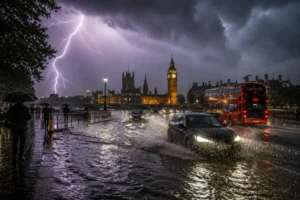 The storm system began developing during the evening before intensifying overnight as unstable air spread across southern Britain.
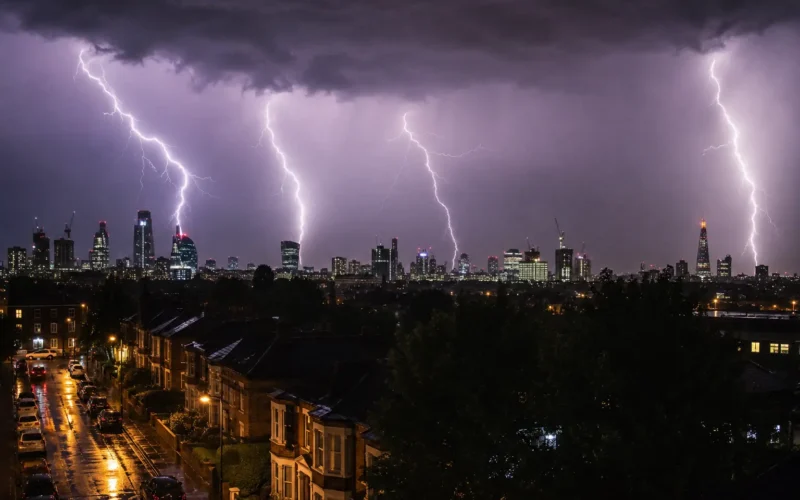
As the thunderstorms strengthened, large storm clouds produced frequent lightning and torrential downpours. Residents reported repeated flashes illuminating the night sky, followed by loud thunder that echoed across many parts of Greater London.
The storms moved through several regions before reaching the capital, bringing heavy rainfall that quickly overwhelmed drainage systems in some locations. In several boroughs, roads became waterlogged while emergency crews responded to weather-related incidents.
Weather experts described the event as a classic example of thunderstorms forming when very warm surface temperatures combine with cooler air higher in the atmosphere.
The result was an explosive release of atmospheric energy that generated thousands of lightning strikes in a relatively short period.
How Did More Than 29,000 Lightning Strikes Hit the UK in Just 24 Hours?
The scale of the lightning activity made this one of the most notable weather events of the year.
Lightning detection systems recorded approximately 29,074 lightning strikes across the UK during the 24-hour period leading up to Tuesday morning.
Lightning Activity at a Glance
| Category | Details |
|---|---|
| Total Lightning Strikes | 29,074 |
| Main Affected Areas | Southern England, London, South West England |
| Peak Activity Period | Overnight and early morning |
| Primary Weather Driver | Hot, humid and unstable air |
| Associated Hazards | Flash flooding, transport disruption, power interruptions |
Lightning forms when electrical charges build inside storm clouds. As water droplets, ice crystals and hailstones collide within the cloud, electrical energy accumulates. Once the charge becomes strong enough, lightning is released.
During this event, atmospheric conditions allowed thunderstorms to become highly electrified, leading to exceptionally frequent lightning activity across multiple regions.
Some areas experienced near-continuous lightning for extended periods, creating spectacular displays while increasing risks to infrastructure and public safety.
Which Parts of London and Southern England Were Worst Affected?
Although thunderstorms affected a wide area, some locations experienced more severe impacts than others.
London saw significant lightning activity accompanied by heavy rainfall. Areas across southern England also experienced intense thunderstorms as the weather system tracked eastward.
Several communities reported:
- Flooded roads
- Surface water accumulation
- Temporary transport disruption
- Delays to rail services
- Emergency service call-outs
- Minor property damage
In some locations, rainfall fell so quickly that drainage systems struggled to cope, resulting in flash flooding.
The South West experienced some of the earliest and most intense thunderstorm activity before the storms progressed towards London and the South East.
How Did the Storm Impact Transport, Homes and Businesses?
The overnight storm affected both residents and businesses across London.
Transport Disruption
Heavy rainfall and flooding created challenges across parts of the transport network.
Rail operators monitored weather-related issues, while some services experienced delays due to flooding and infrastructure concerns.
Morning commuters encountered disruptions as transport authorities worked to assess conditions and restore normal operations.
Road users also faced difficulties where standing water reduced visibility and increased travel times.
Impact on Homes
For homeowners, the storm created several immediate concerns.
Properties located in flood-prone areas faced risks from rapidly accumulating water, while lightning strikes raised concerns about electrical damage and power interruptions.
Some residents reported water entering gardens, driveways and low-lying areas around their properties.
Business Disruption
Businesses opening early on Tuesday morning encountered weather-related challenges ranging from delayed deliveries to temporary power issues.
Companies dependent on transportation networks also experienced knock-on effects as staff and customers dealt with disruptions caused by the storm.
Why Did Meteorologists Expect Powerful Thunderstorms to Develop?
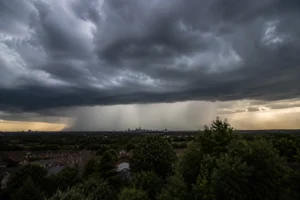 The thunderstorms did not occur unexpectedly.
Weather forecasters had identified a combination of atmospheric ingredients capable of producing severe weather conditions.
Key Factors Behind the Storm
Extremely Warm Temperatures
Large parts of England had been experiencing unusually high temperatures, creating significant amounts of heat energy near the surface.
High Humidity Levels
Warm air carried substantial moisture into the atmosphere, providing fuel for thunderstorm development.
Atmospheric Instability
Cooler air higher in the atmosphere increased instability, allowing warm air to rise rapidly.
Storm Formation
As rising air condensed into large storm clouds, thunderstorms developed and intensified.
This combination created ideal conditions for heavy rain, lightning and thunderstorm activity.
What Made This Lightning Event So Unusual for the UK?
Thunderstorms are not uncommon during British summers, but events involving tens of thousands of lightning strikes remain relatively rare.
Several factors contributed to the significance of this storm.
First, the sheer volume of lightning strikes stood out compared with typical summer storms.
Second, the storms developed during a period of exceptionally hot weather affecting both the UK and parts of continental Europe.
Third, the combination of lightning, flooding and transport disruption meant the storm had a noticeable impact on daily life.
Meteorologists continue to analyse the event, but early assessments suggest it ranks among the most active thunderstorm outbreaks seen in Britain during 2026.
How Did Emergency Services Respond Across London?
Emergency services remained active throughout the night as reports of flooding and storm-related incidents increased.
Fire crews responded to numerous calls involving:
- Flooded properties
- Water ingress
- Electrical concerns
- Weather-related emergencies
Local authorities monitored flood risks while transport operators assessed infrastructure conditions.
Emergency planners often prepare for such weather events in advance, ensuring resources can be deployed quickly when severe conditions develop.
The coordinated response helped minimise risks to residents and maintain essential public services during the storm.
Could More Thunderstorms and Heavy Rain Affect London This Week?
Forecasters continue to monitor weather conditions closely.
Although the overnight storm has moved away, warm and humid air remains present across parts of southern England.
When such conditions persist, additional thunderstorms can develop if atmospheric instability increases once again.
Weather experts advise residents to remain aware of local forecasts, particularly during periods of elevated temperatures.
Potential weather risks may include:
- Further thunderstorms
- Heavy rainfall
- Localised flooding
- Travel disruption
- Lightning hazards
While it is impossible to predict every storm in advance, forecast models suggest unsettled conditions could remain possible in some areas.
What Should London Residents Do During Severe Thunderstorm Warnings?
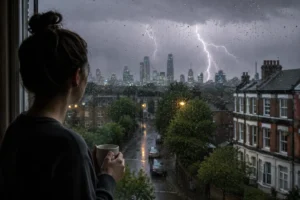 Preparation can significantly reduce risks during severe weather.
Before a Storm
Residents should:
- Check official weather forecasts regularly.
- Secure loose outdoor items.
- Ensure mobile devices remain charged.
- Prepare emergency contacts.
During a Storm
People should:
- Remain indoors where possible.
- Avoid open spaces.
- Stay away from isolated trees.
- Limit unnecessary travel.
- Avoid contact with electrical appliances.
After a Storm
Residents should:
- Assess any property damage safely.
- Avoid floodwater where possible.
- Follow advice from local authorities.
- Report emergencies promptly.
Simple precautions can help minimise risks associated with lightning, flooding and severe weather conditions.
How Can Extreme Summer Weather Affect Daily Life in London?
The impact of severe weather extends beyond the immediate storm itself.
Consider a typical London commuter.
After a night interrupted by thunder and lightning, they may face delays on public transport, congested roads and altered travel plans.
Parents may need to monitor school updates if flooding affects local routes. Businesses may experience staff shortages, delayed deliveries or operational disruptions.
Healthcare providers, emergency services and local authorities must also adapt quickly to changing weather conditions.
This illustrates how a single overnight storm can influence multiple aspects of everyday life across a large city.
What Does This Storm Tell Us About Future Weather Patterns in Britain?
Weather experts continue to study the relationship between rising temperatures and extreme weather events.
Warmer air can hold more moisture, increasing the potential for intense rainfall when thunderstorms develop.
While no individual storm can be directly attributed to long-term climate trends, scientists are observing changes in the frequency and intensity of some weather extremes.
The London storm serves as a reminder that periods of hot weather can sometimes be followed by dramatic thunderstorms capable of producing significant impacts.
As forecasting technology continues to improve, authorities hope to provide earlier warnings and better preparedness for future severe weather events.
Conclusion
The London storm last night delivered a dramatic reminder of the power of summer thunderstorms.
With more than 29,000 lightning strikes recorded across the UK, the event brought intense rainfall, flooding concerns, transport disruption and widespread attention from weather experts.
Although conditions have improved, the storm highlights the importance of staying informed during periods of severe weather. Forecasts, official warnings and sensible precautions remain essential tools for protecting communities when extreme weather develops.
For London residents, the overnight storm will be remembered as one of the most striking weather events of 2026, demonstrating how quickly atmospheric conditions can transform from summer heat to powerful thunderstorms.
Frequently Asked Questions
How common are thunderstorms in London during summer?
Thunderstorms occur periodically during summer, particularly when warm and humid conditions create atmospheric instability.
What causes lightning during a thunderstorm?
Lightning forms when electrical charges build within storm clouds and are released as powerful electrical discharges.
Can lightning damage homes?
Yes. Lightning can damage electrical systems, roofing materials and electronic devices if a property is directly struck.
Why does heavy rain often accompany thunderstorms?
Thunderstorms develop from large moisture-filled clouds capable of releasing significant amounts of rainfall within a short period.
Are weather forecasts able to predict lightning accurately?
Forecasting technology has improved considerably, but predicting the exact location of individual lightning strikes remains challenging.
What should motorists do during severe thunderstorms?
Drivers should reduce speed, increase following distances and avoid driving through floodwater.
Can thunderstorms affect flights and rail services?
Yes. Lightning, heavy rain and strong winds can disrupt transportation networks and lead to delays or cancellations.
Are severe thunderstorms becoming more frequent in the UK?
Researchers continue to study long-term weather trends, but some evidence suggests warmer atmospheric conditions may increase the likelihood of intense rainfall events.