



Table of Contents Show
Quick Snapshot
Why Trust This Guide?
Most guides to Royal Festival Hall focus on venue facts, seating charts or ticket information. While those details are important, they rarely explain what the experience is actually like for visitors.
This guide combines venue research, seating analysis, visitor feedback, transport planning and practical recommendations to help readers make informed decisions before visiting. Rather than simply describing the venue, it explains how different seating areas perform, what first-time visitors should know and which features are often overlooked.
Whether planning a major concert, a family day out or a first visit to the South Bank, understanding these details can make a noticeable difference to the overall experience.
What Is Royal Festival Hall London?
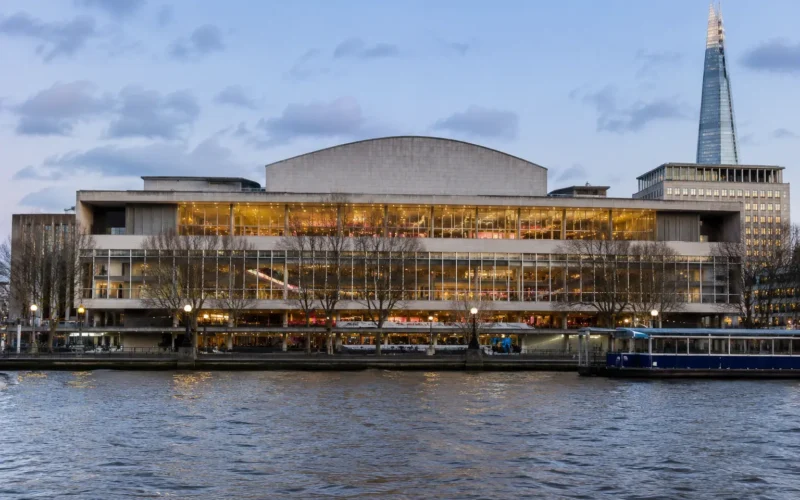
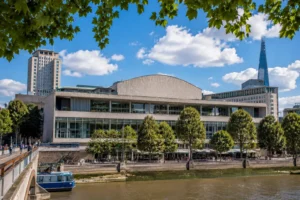 Royal Festival Hall is the flagship venue of the Southbank Centre and one of the most recognisable performance spaces in the United Kingdom.
Situated on the banks of the River Thames between Waterloo Bridge and Hungerford Bridge, the venue has been welcoming audiences since 1951. Built as the centrepiece of the Festival of Britain, it was designed to represent a modern and forward-looking nation emerging from the challenges of the Second World War.
The location is still one of London’s most popular cultural hubs today. Millions of people visit each year to attend concerts, literary events, talks, festivals and educational programmes.
Unlike many historic theatres and concert halls, Royal Festival Hall was intentionally designed to be accessible to everyone. This philosophy continues today, with large public spaces, riverside terraces, cafés and cultural facilities open to visitors regardless of whether they hold a performance ticket.
A Brief History of Royal Festival Hall
The story of Royal Festival Hall is closely connected to the Festival of Britain, a national event organised to celebrate British achievements in science, design, architecture and culture.
The structure symbolized a daring new vision for post-war Britain when it opened in 1951. Its modernist architecture stood in contrast to many traditional concert halls, while its emphasis on public accessibility reflected changing attitudes towards arts and culture.
One of the venue’s most innovative features was its acoustic design. Architects developed a floating auditorium structure, often described as an “egg in a box” concept, to minimise external noise from nearby railway lines while improving the listening experience inside the hall.
The venue underwent a major renovation between 2005 and 2007, improving acoustics, accessibility and visitor facilities. The renovation made Royal Festival Hall competitive with contemporary performance venues worldwide and helped resolve long-standing acoustic issues.
More than seventy years after opening, it continues to serve its original purpose while adapting to changing audience expectations.
What Makes Royal Festival Hall Different From Other London Venues?
London has no shortage of performance venues, yet Royal Festival Hall occupies a unique position.
Unlike venues that focus exclusively on theatre, opera or commercial entertainment, Royal Festival Hall combines multiple cultural experiences within a single destination.
Visitors can attend a world-class symphony orchestra performance in the evening, explore free exhibitions during the day, enjoy riverside dining and participate in community events throughout the year.
Another major difference is accessibility. Many London venues require a ticket simply to enter the building. Royal Festival Hall actively encourages visitors to use its public spaces, making it feel more like a cultural hub than a traditional entertainment venue.
Its location also contributes to its appeal. Few concert halls offer immediate access to iconic attractions such as the London Eye, National Theatre and Thames riverside walkways.
What’s On at Royal Festival Hall?
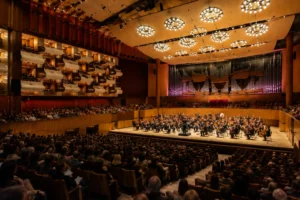 A common misconception is that Royal Festival Hall only hosts classical music.
In actuality, the show draws viewers with a broad spectrum of interests and is incredibly diversified.
Classical music remains central to the venue’s identity. It serves as the home of the London Philharmonic Orchestra, Philharmonia Orchestra and Orchestra of the Age of Enlightenment. Throughout the year, audiences can experience everything from large-scale symphonic works to intimate chamber performances.
However, contemporary music also plays a significant role. International artists regularly perform at the venue, covering genres including jazz, folk, world music, rock and pop.
The hall is equally known for major festivals. Events such as the Meltdown Festival and EFG London Jazz Festival have become important fixtures on London’s cultural calendar.
Visitors will also find comedy performances, author talks, political discussions, live podcasts and educational events. Holiday programming, which frequently features workshops, interactive activities, and concerts targeted at younger audiences, benefits families.
This diversity contributes to the explanation of why, in contrast to many specialized venues, Royal Festival Hall draws such a wide demography.
Royal Festival Hall Seating Plan Explained
Choosing seats at Royal Festival Hall requires a slightly different approach than many visitors expect.
The venue’s modernist design and acoustic characteristics mean that the most expensive seats are not always the best choice.
The auditorium is divided into Front Stalls, Rear Stalls, Side Boxes and Balcony seating. Each section offers a distinct experience depending on the event. Front Stalls provide proximity to performers and are particularly popular for comedy shows, talks and contemporary music concerts. Visitors can clearly see expressions, stage details and interactions.
Rear Stalls offer a broader perspective of the stage and often deliver a more balanced sound profile. For many orchestral performances, this section is considered one of the venue’s strongest options. Side Boxes provide additional comfort and a premium feel. While viewing angles differ slightly from central seating, these positions appeal to visitors seeking a more exclusive experience.
The Balcony often surprises first-time visitors. Elevated sightlines and excellent acoustic performance make it one of the most desirable areas for classical music performances.
Best Seats at Royal Festival Hall
The ideal seat depends on the type of event being attended.
For orchestral performances, many experienced concertgoers deliberately choose Balcony seats rather than paying premium prices for seats closest to the stage.
This is one of the venue’s best-kept secrets.
Seats to Avoid at Royal Festival Hall
Although there are few genuinely poor seats, certain locations may not provide the best value.
Seats located beneath the Balcony overhang can sometimes experience reduced acoustic openness during orchestral performances. Compared to more central places, attendees of classical concerts could detect less clarity and detail.
Similarly, the furthest rear Balcony seats can experience minor sound reflections that affect the listening experience for those seeking optimal acoustics.
For visitors attending a special event, investing in central seating locations generally produces the most rewarding results.
How Much Do Royal Festival Hall Tickets Cost?
Ticket prices vary considerably depending on the artist, event category and seat location.
Major contemporary music concerts often command higher prices than orchestral performances, while premium seating naturally carries additional costs.
Typical Ticket Price Guide
Booking early remains the most reliable way to secure preferred seats, particularly for high-demand performances.
How to Save Money on Royal Festival Hall Tickets?
 Ticket discounts are one area where a lot of tourists lose out.
The Southbank Centre Under-30 scheme offers some of the best value available in London’s arts sector. Eligible members can access discounted tickets throughout the year, making performances significantly more affordable.
Students may also qualify for concessions on selected events. Frequent visitors often benefit from Southbank Centre membership, which can include priority booking opportunities and additional perks.
Checking official channels before purchasing tickets is always recommended, as special offers occasionally become available closer to performance dates.
What Most Royal Festival Hall Guides Don’t Tell You?
Many visitors assume Royal Festival Hall is only worth visiting when attending a concert.
In reality, the building functions as one of London’s most underrated public cultural spaces. The foyers attract students, remote workers and creatives throughout the week. Comfortable seating, public facilities and a welcoming atmosphere make it a popular alternative to busy cafés.
The upper levels also provide excellent views across the Thames, yet many visitors never venture beyond the auditorium itself. For first-time visitors, spending time exploring the building can be just as rewarding as attending a performance.
This is one of the reasons locals continue to use Royal Festival Hall long after their concerts have finished.
Accessibility at Royal Festival Hall
Royal Festival Hall is widely regarded as one of the UK’s most accessible cultural venues.
Step-free access, lifts, wheelchair seating locations and accessible facilities have been integrated throughout the building. Dedicated support services are available for visitors with specific requirements, while companion ticket arrangements may be available through relevant accessibility programmes.
The venue’s commitment to accessibility reflects its broader mission of making culture available to as many people as possible.
How to Get to Royal Festival Hall?
Waterloo Station is the easiest and most convenient transport hub for most visitors.
The station is approximately five minutes away on foot and provides connections to National Rail services and several London Underground lines. Another well-liked choice is Embankment Station, especially for tourists arriving by the Golden Jubilee Bridges.
A more picturesque option is river travel, which may be accessed from different parts of London via neighboring Thames services. Due to congestion charges and limited parking, public transport remains the preferred option.
What Restaurants and Attractions Are Near Royal Festival Hall?
One of the venue’s greatest advantages is its location in the heart of London’s South Bank. Visitors can easily combine a performance with sightseeing, dining or cultural exploration.
Nearby attractions include the London Eye, National Theatre, Hayward Gallery and SEA LIFE London Aquarium. One of the most pleasant pedestrian pathways in London is still the riverside walkway.
Dining options range from casual cafés and family-friendly restaurants to premium riverside establishments offering impressive city views. For visitors travelling from outside London, the area provides enough attractions to justify a full day of exploration.
Final Verdict: Is Royal Festival Hall Worth Visiting?
Royal Festival Hall remains one of London’s most rewarding cultural destinations because it offers far more than a concert experience. A fairly broad audience is drawn to the facility because of its riverbank position, public accessibility, architectural significance, and top-notch performances.
More than 70 years after it opened, the venue still fulfills its original purpose, whether guests are exploring the South Bank, watching a major symphony concert, or attending a contemporary music event.
For those planning a visit, understanding the seating layout, ticket options and lesser-known features can transform a good experience into an exceptional one.
FAQs
Is Royal Festival Hall only for classical music concerts?
No. While Royal Festival Hall is renowned for hosting leading orchestral performances, its programme also includes contemporary music concerts, comedy shows, author talks, live podcasts, festivals and family-friendly events throughout the year.
What are the best seats at Royal Festival Hall for sound quality?
For orchestral and classical performances, many regular visitors recommend the front rows of the Balcony or central Rear Stalls. These areas typically provide balanced acoustics and clear sightlines without requiring the highest-priced tickets.
Can visitors enter Royal Festival Hall without buying a ticket?
Yes. Large parts of the building, including public foyers, cafés, bars and viewing areas, are open to visitors without a performance ticket. This makes Royal Festival Hall one of London’s most accessible cultural spaces.
How early should visitors arrive before a performance?
Arriving at least 30 minutes before the scheduled start time is recommended. This allows enough time to pass through security checks, locate seats and explore the venue’s public spaces before the performance begins.
What is the easiest way to get to Royal Festival Hall?
Waterloo Station is generally the most convenient option. The venue is around a five-minute walk from the station and benefits from excellent National Rail and London Underground connections.