



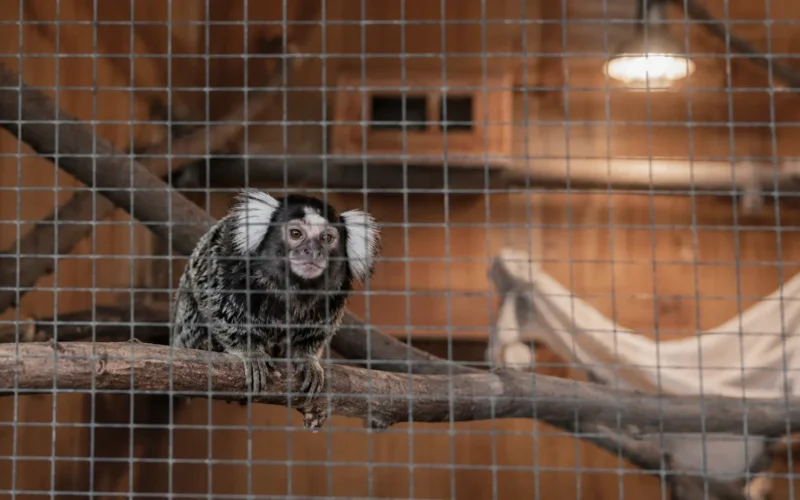
A frightened marmoset discovered inside a laundry bag on a London bus has been moved to a specialist sanctuary as animal welfare inspectors investigate who abandoned her.
The female common marmoset was found on a number 302 bus while it was waiting in Kensal Rise, northwest London. The animal, now named Oyster after Transport for London’s payment card, was reportedly stressed and dehydrated when she was rescued.
The discovery has also raised concerns about whether other privately owned primates could be abandoned following the introduction of stricter licensing and welfare requirements in England.
How Was the Monkey Discovered on the London Bus?
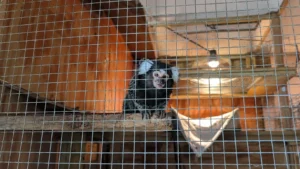 Oyster was found after a mother was unable to move her buggy along the bus because a large laundry bag was protruding from the luggage area.
When the driver moved the bag, the concealed animal reportedly began chirping and jumping. Inside was a small cage containing the marmoset, which had been deliberately hidden by the bag. Some apple had been left with her, but she appeared frightened and dehydrated.
The driver took Oyster to the Metroline depot at Willesden bus station, where staff placed her in a cool, dark area to reduce her stress before contacting the RSPCA.
RSPCA London chief investigator Clare Dew praised the driver and depot workers for remaining calm and handling the unexpected situation carefully.
The charity’s account of the rescue indicates that the bus had travelled on a route connecting Mill Hill Broadway station with Kensal Rise. No passenger or member of staff had reported noticing anything unusual before the bag was discovered.
What Happened to Oyster After Her Rescue?
Oyster was examined by a specialist vet and found to be healthy despite the distress and dehydration she experienced.
She has since been placed at a sanctuary equipped with specialist primate facilities, where experienced keepers can provide the environment, companionship and care required by a marmoset.
The sanctuary had reportedly been searching for a female marmoset to accompany a lone male already in its care. Plans to transfer another animal had fallen through only hours before Oyster was rescued, allowing the abandoned monkey to be offered the available place.
According to the RSPCA, Oyster has settled into her new surroundings, is eating well and could soon be introduced to her prospective companion. She may remain permanently at the sanctuary unless a legitimate owner comes forward.
Primates are highly social animals, meaning appropriate companionship is an important part of their welfare. RSPCA exotic-animal specialists say their needs for space, mental stimulation and interaction cannot ordinarily be met through human company alone.
Why Are New Primate-Licensing Rules Being Discussed?
The case occurred shortly after stricter rules governing private primate ownership became fully enforceable in England.
From 6 April 2026, private keepers must obtain a licence and meet welfare standards comparable with those expected in licensed zoos. The Government said the system was intended to prevent primates from being kept as conventional household pets by people unable to satisfy their complex needs.
The government’s explanation of the licensing changes says only owners meeting the new welfare and licensing standards can legally continue keeping the animals.
The requirements cover marmosets, tamarins, capuchins, squirrel monkeys, spider monkeys, lemurs and other primate species. Local authorities are responsible for licensing and inspections, while private keepers must provide suitable accommodation, veterinary care, records and welfare arrangements.
Oyster had not been microchipped as required under the new arrangements. Clare Dew said she believed the abandonment was intentional and suspected it was linked to the licensing change, although the precise reason has not been established.
Some welfare experts have cautioned against assuming that every abandonment results directly from the legislation. Monkey World director Alison Cronin said primate neglect and abandonment existed before the rules changed, while supporting stronger legal protection for the animals.
How Is the RSPCA Investigating the Abandonment?
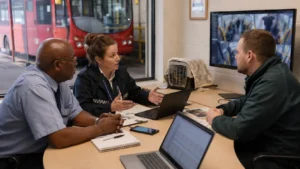 Metroline employees and the bus driver are helping the RSPCA identify the person who left Oyster onboard.
Investigators are expected to examine CCTV footage and available travel records, including information connected to passengers scanning on and off the bus. The charity has not publicly identified a suspect.
The RSPCA recorded 238 reports concerning primate cruelty and neglect between 2021 and 2025. Government estimates suggest around 5,000 primates may be kept privately in England, highlighting the potential scale of the welfare challenge.
Anyone unable to meet the licensing requirements has been urged to contact a vet, specialist sanctuary or animal charity instead of abandoning an animal.
The RSPCA warned that leaving a primate in a public place could have tragic consequences. In Oyster’s case, the actions of the bus driver and Metroline staff allowed her to be rescued quickly and moved to an environment capable of meeting her long-term needs.