




Table of Contents Show
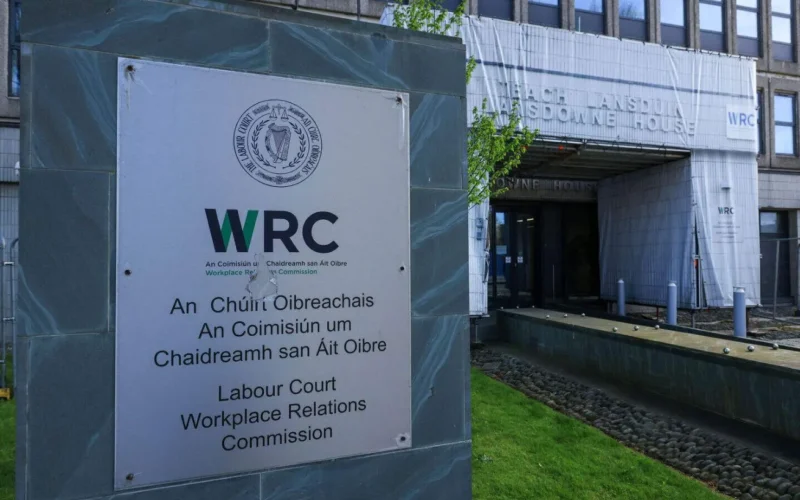
The Mark Brennan M&S WRC decision has resulted in a former Marks & Spencer employee receiving €2,000 after Ireland’s Workplace Relations Commission ruled that dismissing him over the misuse of his staff discount account was an excessive penalty.
Mark Brennan had worked as a sales adviser for Marks & Spencer Ireland for more than a decade when the retailer dismissed him in February 2025. The case followed an internal investigation which found that his staff discount credentials had been used 73 times between 31 October and 17 December 2024, sometimes at different M&S locations at almost the same time.
Brennan maintained that he did not know his then-partner had copied the digital discount credentials from a tablet and shared access with members of her family and other acquaintances. Although the WRC found that Brennan had been careless, adjudication officer Michael McEntee concluded that dismissal was disproportionate when serious alternatives, including a final written warning, were available.
What Happened in the Mark Brennan M&S WRC Case?
Image – Source
Brennan began working for Marks & Spencer in August 2014 and remained with the retailer for more than ten years. By the time of the disputed transactions, the company’s employee discount was no longer operated through a traditional physical card and was instead accessed digitally through an application.
M&S’s internal audit team detected what the company described as serious anomalies in the use of Brennan’s account. Records showed 73 discount transactions during the period from 31 October to 17 December 2024, a span of almost seven weeks. Some transactions reportedly occurred at around the same time in separate branches in Ireland and the UK.
Only one of the transactions was linked to Brennan’s own payment card, according to evidence presented on behalf of M&S. The total financial loss attributed to the unauthorised discount use was calculated at €464.39.
A formal company investigation began on 8 January 2025. The disciplinary process ended with Brennan being dismissed with notice on 6 February 2025, and the decision was upheld following an internal appeal in March.
How Did Brennan’s Partner Access the M&S Discount?
Brennan’s case was that his then-partner had obtained the discount credentials through a tablet computer to which she had access.
His representative, Mandate trade union divisional organiser Eoin Coates, told the WRC that the credentials had been copied without Brennan’s knowledge and circulated among the partner’s relatives and acquaintances. Brennan accepted that he had been careless in allowing access to the tablet, but denied knowingly permitting the wider use of the employee benefit.
Brennan said that he stopped his partner from using the discount as soon as M&S informed him about the activity. He also offered to repay the company the full €464.39 loss associated with the transactions.
His union argued that the conduct was materially different from an employee deliberately giving discount credentials to multiple shoppers. It maintained that Brennan could reasonably be criticised for failing to secure the device, but that he should not have been treated as though he had personally organised or approved all 73 transactions.
Why Did Marks & Spencer Dismiss Mark Brennan?
Marks & Spencer argued that its employee discount scheme was a significant staff benefit that required strong protection against misuse.
The retailer said its discount rules were extensively communicated and that Brennan was familiar with the policy, including its warnings about deliberate or careless misuse. A senior manager who upheld the dismissal on appeal said the company believed that the essential bond of trust had been irreparably damaged.
The WRC heard that the discount scheme was available to approximately 70,000 employees. M&S’s position was that failing to respond firmly to suspected abuse could weaken the scheme and create wider financial and compliance risks for the business.
Judy McNamara of employers’ organisation Ibec represented the retailer. The company’s evidence emphasised that Brennan understood the rules and remained responsible for protecting access to his employee credentials, even where another person carried out the transactions.
Why Did the WRC Rule the Dismissal Was Unfair?

Image – Source
WRC adjudication officer Michael McEntee accepted that M&S had clear policies and well-developed disciplinary procedures. He also found that Brennan had contributed to the situation by failing to protect access to the tablet and discount application.
However, the adjudicator distinguished Brennan’s carelessness from deliberate participation in the widespread use of the account.
McEntee considered it excessive to treat the inadvertent enabling of a domestic partner’s misuse as an offence that automatically justified dismissal, particularly when Brennan said he had been unaware of the activity. The adjudicator concluded that a severe alternative sanction, such as a final written warning, could have protected the company’s policy without ending Brennan’s employment.
The WRC therefore upheld Brennan’s complaint under the Unfair Dismissals Act 1977. The ruling did not find that he had acted entirely without fault. Instead, it found that the punishment selected by the employer was too severe when assessed against his specific conduct and the other disciplinary options available.
Why Was Mark Brennan Awarded Only €2,000?
The adjudicator initially assessed appropriate compensation at €4,000. That amount was then reduced by 50 per cent because Brennan’s carelessness had contributed significantly to the circumstances leading to his dismissal.
The final award was therefore €2,000, described in reports as slightly more than one month’s pay.
The WRC also considered Brennan’s financial losses and his efforts to obtain new work. He reportedly secured comparable employment with a competing retailer relatively soon after leaving M&S, limiting the period for which he could claim lost earnings. His prospective loss was placed at approximately €4,600.
This distinction is important. The ruling did not order reinstatement or award Brennan the full amount of his claimed loss. It recognised that the dismissal was unfair while also reducing the compensation to reflect his own contribution and his successful efforts to mitigate the financial impact.
Did the WRC Find That Brennan Knowingly Abused the Discount?
The decision did not establish that Brennan personally arranged the 73 uses or knowingly shared his credentials with the wider group.
Brennan gave sworn evidence that he was unaware his partner had made the discount available to family members and acquaintances. The fact that only one transaction was connected to his own payment card also formed part of the evidence considered during the dispute.
Nevertheless, the WRC did not absolve him of all responsibility. His admission that he had been careless with the tablet was central to the 50 per cent reduction in compensation.
The outcome therefore sits between the positions advanced by the two sides. M&S was entitled to regard the activity as serious and to discipline Brennan, but the WRC found that dismissal went beyond what was reasonable in the circumstances.
What Does the Mark Brennan M&s WRC Decision Mean for Employers?
The decision highlights the importance of proportionality in disciplinary cases involving staff benefits, digital credentials and actions carried out by family members.
A clear zero-tolerance policy does not necessarily mean that dismissal will be considered fair in every case. An employer may still need to examine whether the employee acted deliberately, knew about the misconduct, benefited from it or merely failed to exercise sufficient care.
The case also demonstrates why employers should consider the full range of available sanctions. Long service, previous performance, cooperation with an investigation, repayment offers and the employee’s level of knowledge may all be relevant when deciding whether dismissal is reasonable.
However, the ruling should not be interpreted as giving employees permission to share staff discounts or leave digital credentials unsecured. Brennan’s award was halved specifically because the WRC found that his carelessness contributed materially to what happened.
What is the Key Outcome of the M&S WRC Decision?
The central finding was that Marks & Spencer Ireland had grounds to take serious disciplinary action, but not enough justification to select dismissal as the appropriate sanction.
Brennan succeeded in his unfair dismissal complaint because the WRC regarded termination as excessive when a final written warning or another substantial penalty could have addressed the company’s concerns. His €4,000 headline award was reduced to €2,000 because he bore significant responsibility for failing to secure his digital discount credentials.
The Mark Brennan M&S WRC decision therefore reinforces a core principle in employment disputes: misconduct or carelessness may justify discipline, but the sanction must remain proportionate to the employee’s actual conduct, knowledge and responsibility.
Feature image – Source