



Table of Contents Show
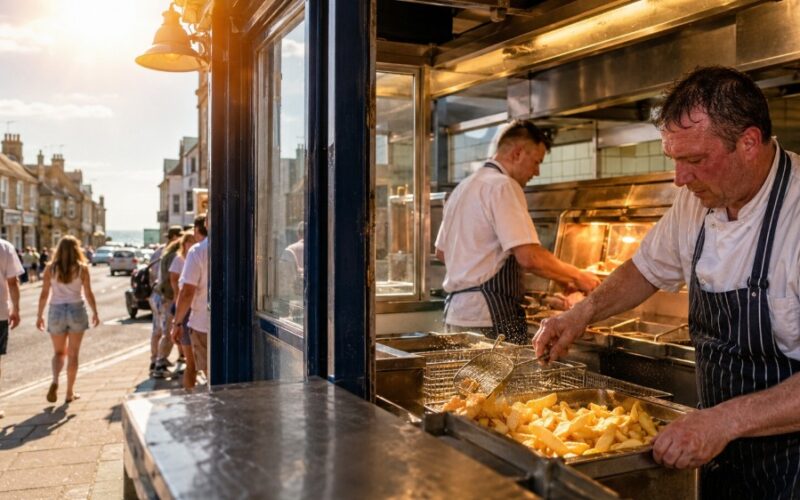
The heatwave impact on UK chippies is being felt most immediately by staff working beside commercial fryers and other heat-producing equipment as unusually high temperatures continue across the country.
For workers in fish and chip shops, the challenge is not simply the temperature outside: cooking heat, physical activity and limited opportunities to escape a busy kitchen can all add to the strain.
The wider picture is still developing. Industry figures have warned that prolonged hot and dry conditions may also put pressure on peas and potatoes, two ingredients closely associated with a traditional fish-and-chip meal.
Those concerns do not, however, prove that a nationwide shortage or universal price rise has already happened.
Key highlights at a glance:
| Issue | What it means for UK chippies |
| Hot kitchens | Fryers and cooking equipment can add to already high temperatures |
| Worker wellbeing | Prolonged heat can increase the risk of dehydration and heat stress |
| Workplace rules | There is no single legal maximum workplace temperature |
| Peas and potatoes | Industry figures have raised concerns about weather-related crop pressure |
| Menu prices | Higher costs are possible, but decisions vary between individual businesses |
| What happens next | Weather, harvests, suppliers and operating costs will all matter |
The clearest current story is therefore about working conditions, while possible ingredient shortages and price increases remain developing issues that need careful verification.
How is the Heatwave Affecting UK Chippies Right Now?
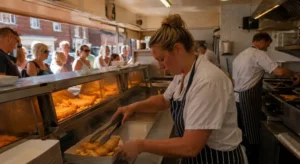
The immediate heatwave impact on UK chippies is concentrated inside kitchens where staff may spend hours close to hot frying ranges. Recent reporting from a fish and chip shop in Southport, Merseyside, described trade continuing despite difficult heatwave conditions, showing that many businesses still have to serve customers while managing the extra strain on staff.
The main pressures currently include:
- Higher indoor heat alongside commercial cooking equipment
- Greater attention to hydration, breaks and staff wellbeing
- Difficulty keeping some working areas comfortable during busy service
- Uncertainty over whether prolonged hot weather will affect key crops and future ingredient costs
Not every chippy will experience identical conditions. Building design, ventilation, opening hours, staffing and equipment can all change the level of heat exposure, so the impact should be assessed business by business.
Why Can Working in a Chippy Become Especially Difficult During Extreme Heat?
A chippy kitchen can be hot even in ordinary weather because frying and cooking processes release heat into the working environment. During a heatwave, high outdoor temperatures can add to that existing heat load.
The risk is not determined by air temperature alone. Work rate, humidity, airflow, clothing and proximity to a heat source can all affect how the body responds.
Official workplace guidance specifically identifies catering kitchens among environments where heat stress may occur and says factors such as physical workload and working near a heat source should be considered.
Busy service periods may make the problem harder to manage because workers still need to prepare food, move around the kitchen and maintain normal food-safety procedures. That is why a temperature that feels manageable in a quiet room may feel very different beside active fryers during a rush.
What Are Chippy Workers Saying About Conditions Inside Hot Kitchens?
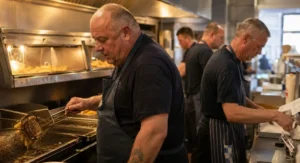
Current reporting has put the experience of workers at the centre of the story. Tracy Stock, owner of Chippy T in Southport, was reported as saying that trade remained steady during the heatwave, while the prospect of another very hot period brought concern about conditions inside the shop. The coverage described working in the heat as “horrendous”.
Working Beside Fryers During a Heatwave
Commercial fryers are essential to the business, so the heat-producing process cannot simply be switched off while a chippy remains open and serving customers. Workers may therefore face a combination of summer heat and heat generated by the job itself.
Why Are Staff Describing the Heat as So Difficult?
Prolonged exposure can affect comfort and concentration and, in more serious circumstances, contribute to heat stress. Official guidance lists symptoms including severe thirst, dizziness, nausea, headache, fainting and difficulty concentrating.
Coping With the Heat During Busy Shifts
Practical steps can include access to drinking water, appropriate rest opportunities and measures that reduce unnecessary heat exposure. Broader current hot weather advice also emphasises staying hydrated throughout the day rather than waiting until thirst becomes severe.
These measures do not remove every challenge, but they can form part of a proportionate response to unusually hot working conditions.
What does the current UK heatwave mean for fish and chip shops?
The current weather is significant because the UK has experienced an exceptional sequence of high temperatures. On 10 July 2026, official forecasters said temperatures of at least 35°C had been recorded in May, June and July of the same year for the first time in the UK weather record. They also reported a record eight days above 34°C.
The latest UK heatwave conditions indicated that parts of England and Wales were expected to remain above 30°C through the weekend and into the following week.
For fish and chip shops, several consecutive hot days can matter more than one isolated spike. Buildings may remain warm, staff can face repeated exposure, and businesses may need to keep reviewing whether existing controls are suitable as conditions change.
The result is a prolonged operational challenge rather than a single hot afternoon.
What Does UK Law Say About Working in Very Hot Chippy Kitchens?
There is no single legal maximum workplace temperature in the UK. That does not mean employers can ignore excessive heat. Employers must assess workplace risks and put appropriate controls in place, while indoor workplaces are required to have a reasonable temperature based on the work and conditions involved.
In an official statement issued during extreme heat in June 2026, workplace safety official John Rowe said: “The risks to workers from extreme heat must be properly assessed.”
The official extreme heat statement also identified measures employers can consider when managing hot conditions.
Possible risk-management measures include:
- Assessing heat exposure and consulting workers.
- Providing access to drinking water.
- Improving ventilation where suitable.
- Allowing appropriate opportunities to cool down.
- Reducing unnecessary exposure to heat sources where reasonably practicable.
There is therefore no automatic temperature at which every chippy must close, but heat remains a workplace hazard that requires proper consideration.
Could Extreme Heat Affect Mushy Peas, Potatoes and Other Chippy Ingredients?
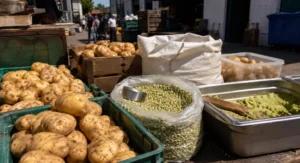
The ingredient story is less certain than the workplace story. Industry reporting has warned that prolonged hot weather could put pressure on peas and potatoes, but a warning about a difficult growing season is not the same as proof of a nationwide shortage.
Why Hot and Dry Weather Can Put Crops Under Pressure?
Crop performance depends on several factors, including temperature, rainfall, soil conditions, the stage of growth and the region in which a crop is grown. Extreme or prolonged weather can therefore influence yields and availability, but the final outcome cannot be determined from hot temperatures alone.
Are Mushy Peas and Potato Supplies Already in Shortage?
Industry figure Andrew Crook was reported as warning that fish and chip businesses rely heavily on peas and potatoes and that weather has a major effect on both. He said the sector was expecting “a bad year on both”.
That is a significant industry warning, but it should not be rewritten as confirmation that every supplier is short of stock or that a nationwide mushy peas shortage already exists.
The most accurate position is that weather-related supply pressure is a developing risk whose scale will depend on actual harvests and supplier conditions.
Could the Heatwave Make Fish and Chips More Expensive?
It could contribute to higher costs, but a heatwave does not automatically mean every fish and chip shop will increase its prices.
Independent chippies can have different suppliers, purchasing agreements, menu sizes, margins and levels of existing cost pressure. A poor crop could increase the cost of an ingredient, but each business would still decide whether to absorb that cost, change suppliers, adjust portions or alter menu prices.
Recent industry reporting has already described concern about the combined cost of peas, potatoes, energy, cooking oil, fish and other inputs. It also reported expectations of a more expensive year for some businesses.
What Could Influence Menu Prices?
| Factor | Possible effect |
| Lower crop yields | May put upward pressure on some ingredient costs |
| Supplier availability | Can affect purchasing choices and prices |
| Energy and cooking costs | Add to overall operating expenses |
| Existing business margins | Affect how much extra cost a shop can absorb |
| Local competition | May influence pricing decisions |
| Customer demand | Can affect how businesses respond to higher costs |
The key point is that cost pressure may be widespread while the pricing response remains individual.
What Should UK Chippies Watch as the Heatwave Continues?
The next stage of the story will depend on both immediate working conditions and longer-term supply information.
Key developments to monitor include:
- Updated temperature and heat-health warnings
- Whether staff report signs of excessive heat or dehydration
- Changes in pea and potato harvest expectations
- Supplier availability and wholesale ingredient costs
- Any business-level decisions on opening hours or menu prices
Official forecasts on 10 July indicated that unusually high temperatures were expected to continue in several parts of the country, meaning the workplace impact could remain relevant beyond a single weekend.
At the same time, crop concerns should be judged against actual harvest and supply evidence rather than headlines alone. The heatwave impact on UK chippies may eventually extend further into ingredient availability and prices, but those outcomes should be updated as evidence develops.
Conclusion
The immediate heatwave impact on UK chippies is clearest inside the kitchen. Workers can face difficult conditions as high outdoor temperatures combine with fryers, physical work and busy service periods.
The wider economic effect is less certain. Industry figures have raised genuine concerns about peas, potatoes and rising costs, but those warnings should not be turned into claims of a confirmed nationwide shortage or guaranteed price increases.
For now, the most accurate picture is one of significant workplace heat, ongoing employer responsibilities and a developing supply story that requires continued checking.
FAQs About Heatwave Impact on UK Chippies
Why do commercial fryers make summer working conditions harder?
Commercial fryers continuously produce heat while operating. During hot weather, that extra heat can add to the temperature experienced by staff, particularly where airflow or opportunities to move away from the cooking area are limited.
Can a fish and chip shop stay open during a severe heatwave?
Yes, there is no automatic rule requiring every chippy to close at a specific temperature. However, employers still need to assess workplace risks and take appropriate steps to protect workers.
What are common signs someone may be struggling with excessive heat at work?
Possible heat-stress symptoms include difficulty concentrating, cramps, severe thirst, dizziness, nausea, headache or fainting. Severe symptoms can require urgent medical attention, so official health guidance should be followed.
Do employers have to provide drinking water during hot weather?
Workplace welfare requirements and heat-risk management make access to suitable drinking water important. Official guidance also recommends providing cool water and encouraging workers exposed to heat to drink regularly.
Why are marrowfat peas important to traditional fish and chip shops?
Dried marrowfat peas are commonly used to make traditional mushy peas, a popular accompaniment to fish and chips. Pressure on the relevant pea crop can therefore matter to businesses that regularly serve them.
Does hot weather always lead to higher takeaway prices?
No. Hot weather may contribute to crop or operating-cost pressures, but final menu prices depend on many factors, including suppliers, contracts, margins, energy costs and individual business decisions.
Where should readers check reliable heatwave and workplace updates?
Readers should use current national weather forecasts, official workplace safety guidance and public-health information. Fast-changing reports about shortages or price rises should also be checked against newer evidence before being treated as confirmed.
Editorial Note
This article separates confirmed facts from reported concerns and possible future impacts. Claims about workplace heat, crop pressure and prices are presented according to the available evidence and may not apply to every UK chippy.
How We Checked?
The article was checked against current official weather, workplace safety and public-health guidance, alongside the supplied reporting on chippy workers, peas, potatoes and possible price pressures. Quotes were used only when the named source could be verified.