



Table of Contents Show
The relationship between police and Traveller communities has long been shaped by mistrust, cultural misunderstandings, and public stereotypes. Across the UK and Ireland, discussions surrounding policing, encampments, discrimination, and community safety continue to raise important social and political questions.
Many people ask: why are police scared of travellers? The answer is often far more complicated than fear alone. Historical tensions, media portrayals, lack of cultural understanding, and previous confrontations have all contributed to strained relationships between some police forces and Traveller communities.
At the same time, many Travellers report experiencing discrimination, over-policing, and unequal treatment during interactions with law enforcement. Understanding both perspectives is essential if society wants to improve trust and reduce conflict.
In this article, we explore the origins of these tensions, how stereotypes influence policing, and what can be done to build stronger and more respectful relationships between police and Traveller communities in 2026.
Key Takeaway
The question “why are police scared of travellers” is rooted in decades of mistrust, stereotypes, media influence, and cultural misunderstandings. Improving relationships requires better communication, fair policing, and stronger community engagement from both sides.
Who Are Travellers?

Travellers are minority ethnic communities with distinct traditions, cultural identities, and lifestyles. In the UK, Irish Travellers and Romani Gypsies are recognised ethnic groups protected under equality legislation.
Historically, many Traveller families lived nomadic or semi-nomadic lifestyles, travelling between regions for work, trade, and seasonal opportunities. Although many Travellers now live in permanent housing or authorised sites, their cultural identity remains important within their communities.
Irish Travellers and Romani Gypsies have long histories in Britain and Ireland, yet they continue to face discrimination in areas such as education, healthcare, employment, and housing.
Unfortunately, stereotypes surrounding Travellers have also contributed to negative public attitudes. Many people incorrectly assume that all Travellers are linked to anti-social behaviour or criminal activity, even though the majority live peacefully and contribute positively to society.
Understanding Traveller culture is essential for reducing prejudice and improving relationships between police and Traveller communities.
History of Travellers and Police Relationships
The relationship between Travellers and police has often been difficult and tense. These tensions have developed over many years due to disputes involving land rights, encampments, policing strategies, and social prejudice.
Historically, police forces were frequently involved in removing Traveller groups from land following complaints from local authorities or residents. These enforcement actions sometimes resulted in confrontations that damaged trust between both sides.
Over the years, disputes involving unauthorised encampments and land rights have contributed to difficult relationships between some Traveller groups and police forces. Public pressure from local communities can also place police in challenging situations where they must balance legal enforcement with human rights protections.
Media coverage has further influenced these tensions. News stories often focus on conflicts involving Traveller communities, which can reinforce stereotypes and shape public perceptions negatively.
At the same time, many Travellers feel they have experienced discrimination, over-policing, or unfair treatment during encounters with authorities. This history of mistrust continues to influence relationships today.
How Do Travellers Respond to Police?
Many Travellers approach police interactions cautiously due to previous negative experiences or concerns about discrimination. Some may feel anxious during encounters with law enforcement, particularly during disputes involving encampments or public complaints.
Travellers often have different cultural experiences and attitudes toward authority compared to settled communities. Because of this, communication breakdowns can sometimes occur during police interactions.
Some Traveller families may also hesitate to contact police when they are victims of crime themselves due to concerns about not being treated fairly or respectfully.
However, responses vary greatly between individuals and communities. Many Travellers cooperate fully with police and simply want respectful treatment and equal protection under the law.
Improving trust between police and Travellers requires open communication, mutual respect, and a better understanding of cultural differences.
The Perception of Travellers by the Police
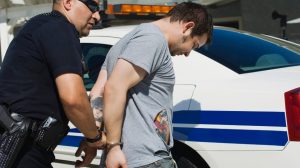
Public stereotypes and previous incidents can sometimes influence how Traveller communities are perceived by law enforcement.
Some police officers may associate Traveller-related incidents with public order concerns, illegal encampments, or community disputes. This can create tension before interactions even begin.
Critics argue that stereotypes can sometimes unfairly affect policing decisions. Traveller advocacy groups have raised concerns about profiling, assumptions, and disproportionate attention during enforcement operations.
While police forces generally state that actions are based on legal responsibilities and public safety concerns, campaigners argue that unconscious bias may still play a role in some situations.
Community advocates say it is important to judge individuals based on behaviour rather than assumptions linked to ethnicity or lifestyle.
Balanced policing and cultural awareness are essential for ensuring fair treatment for all communities.
Why Are Police Scared of Travellers?

There are several reasons why some police officers may feel uneasy when dealing with Traveller-related incidents. In many cases, this is linked to previous confrontations, concerns about public disorder, pressure from local communities, or uncertainty around handling encampment disputes.
However, the issue is usually more connected to tension and mistrust rather than fear alone.
Fear of Confrontation
Police officers may expect certain Traveller-related situations to become tense or confrontational, particularly during evictions or public disputes. Previous experiences can influence how officers approach future incidents.
Large gatherings and emotional community reactions can also increase stress levels during enforcement actions.
Negative Media Stereotypes
Media portrayals of Travellers often focus heavily on conflict, disputes, or criminal incidents. Viral social media clips and sensational headlines can reinforce negative assumptions.
Repeated exposure to these narratives may influence public opinion and shape expectations before police interactions even occur.
Lack of Cultural Understanding
Many people, including some within law enforcement, have limited knowledge of Traveller culture and traditions.
Without proper cultural awareness training, misunderstandings can happen more easily during interactions involving communication styles, family dynamics, or community customs.
Pressure From Public Complaints
Police forces often face pressure from local residents, businesses, or councils to respond quickly to complaints involving Traveller encampments.
This pressure can create difficult situations where officers must balance enforcement responsibilities with legal protections and human rights considerations.
Historical Distrust Between Both Sides
Years of difficult encounters have contributed to mistrust between some Traveller communities and police forces.
Police may expect hostility during interactions, while Travellers may anticipate unfair treatment. This cycle can make communication more difficult and increase tensions unnecessarily.
The Impact of the Police’s Fear on Travellers’ Daily Lives
The strained relationship between police and Traveller communities can affect many aspects of daily life.
Some Travellers report feeling anxious when travelling through unfamiliar areas or interacting with authorities. Others fear being stereotyped because of their identity or lifestyle.
These tensions can also impact access to services, employment opportunities, education, and healthcare. Families may feel isolated or excluded from wider society due to negative public attitudes.
In some cases, Travellers may avoid reporting crimes or seeking assistance because they worry they will not be treated fairly.
This highlights why improving trust and reducing stereotypes is important for both community safety and equality.
How Can Police and Traveller Relationships Improve?
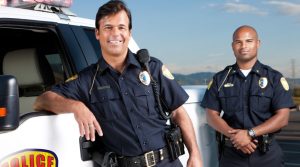
Improving relationships between police and Traveller communities requires communication, fairness, and mutual understanding from both sides.
Cultural Awareness Training
Providing police officers with education about Traveller culture, traditions, and historical discrimination could help reduce stereotypes and misunderstandings.
Better Community Engagement
Regular communication between Traveller representatives, councils, and police forces can help address concerns before conflicts escalate.
Community Liaison Programs
Dedicated liaison officers can build stronger trust between Traveller communities and local authorities through ongoing engagement and mediation.
Clearer Legal Guidance
Better public understanding of laws surrounding encampments and enforcement procedures could reduce confusion and tension during disputes.
More Balanced Media Reporting
Media outlets also play a role in shaping public opinion. More balanced reporting could help challenge harmful stereotypes and encourage fairer discussions about Traveller communities.
Can Relationships Improve in the Future?
There are signs of progress in some areas of the UK where police forces have introduced diversity training and community outreach initiatives focused on Traveller relations.
However, challenges still remain due to historical mistrust, public pressure, and ongoing disputes involving land and encampments.
Improving relationships will require long-term effort, respectful dialogue, and fair treatment from all sides.
Building trust takes time, but stronger communication and greater understanding can help reduce tensions and improve outcomes for both police and Traveller communities.
Conclusion
The question of why police are scared of travellers is connected to a long history of mistrust, stereotypes, legal disputes, and cultural misunderstandings. While some police officers may approach Traveller-related incidents cautiously, many Travellers also report feeling unfairly judged or over-policed.
Improving relationships requires fairness, communication, and greater understanding from both sides. By reducing stereotypes and encouraging respectful dialogue, communities and law enforcement can work toward building stronger trust in the years ahead.
FAQs
Why do police monitor Traveller sites?
Police may monitor Traveller sites because of public complaints, safety concerns, or legal issues involving unauthorised encampments.
Are Travellers protected under UK law?
Yes. Irish Travellers and Romani Gypsies are recognised ethnic groups protected under equality legislation in the UK.
Why is there tension between police and Travellers?
Historical disputes, stereotypes, media coverage, cultural misunderstandings, and enforcement actions have all contributed to tensions over time.
Do Travellers trust the police?
Trust levels vary between individuals and communities, but some Travellers report concerns about discrimination and unequal treatment.
How can relationships improve?
Better communication, cultural awareness training, community engagement, and fair treatment can help improve trust between police and Traveller communities.