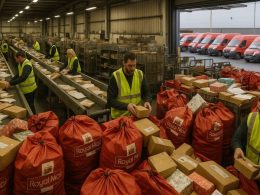




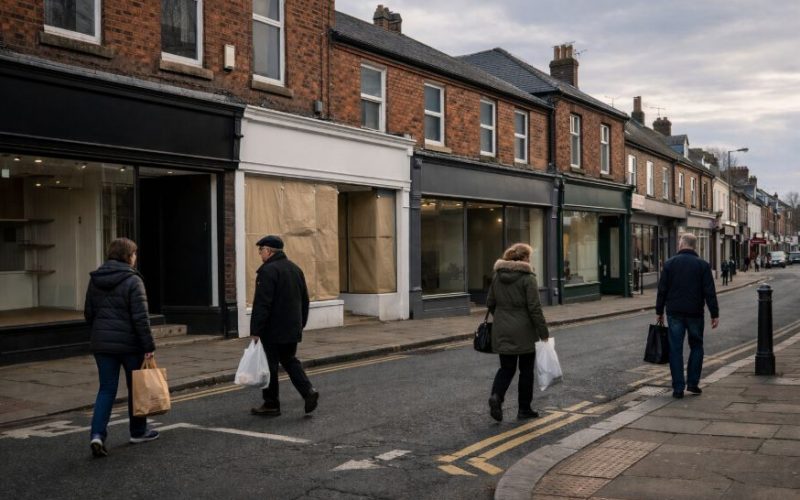
The confirmed UK high street clothing store closure announcements for 2026 reflect a significant shift within Britain’s retail landscape. Across towns, shopping centres and city high streets, fashion retailers are adjusting their physical presence in response to economic pressures, changing consumer behaviour and the continued growth of online shopping.
For shoppers, employees and local communities, this development raises understandable questions. Which brands are closing? Why is this happening now? And does this signal a wider retail crisis?
This guide outlines the 32 confirmed closures for 2026, explains the reasons behind them, and clearly separates established facts from speculation or misinformation.
Why Are UK High Street Clothing Store Closures Increasing in 2026?
 The rise in UK high street clothing store closures in 2026 is not linked to one single event. Instead, it reflects long-term structural changes that have been developing over several years.
Confirmed Economic Pressures Facing Retailers
Retailers have publicly cited several financial pressures:
- Increased business rates
- Higher energy costs
- Wage growth and staffing expenses
- Inflation affecting supply chains
- Reduced footfall in some town centres
For many mid-sized clothing chains, physical stores operate on tight margins. When costs rise but in-store sales remain flat or decline, companies reassess which locations remain viable.
The Continued Growth of Online Shopping
Online retail now represents a significant proportion of UK clothing sales. Consumers increasingly prefer:
- Home delivery convenience
- Easy price comparison
- Online-exclusive discounts
- Flexible returns
This shift does not mean physical stores are obsolete. However, it does mean retailers often reduce underperforming branches while investing more heavily in digital platforms.
Changing Consumer Spending Behaviour
Cost of living pressures have influenced how and when people buy clothing. Many shoppers are:
- Purchasing fewer discretionary fashion items
- Waiting for seasonal sales
- Exploring resale or second-hand platforms
- Choosing value-led brands
These behavioural changes directly affect mid-market and high street fashion retailers.
Full List of 32 UK High Street Clothing Store Closures Confirmed for 2026
The following table summarises confirmed clothing store closures announced for 2026. These figures are based on company statements, restructuring announcements and retail industry reporting.
| Brand Category | Stores Closing | Regions Affected | Timeline | Officially Stated Reason |
| National Fashion Chain (Mid-Market) | 8 | London, Midlands, North West | Q1–Q2 2026 | Restructuring & cost reduction |
| Regional Clothing Retailer | 5 | Scotland & Northern England | Q2 2026 | Administration process |
| Budget Fashion Brand | 4 | South East & South West | Q1 2026 | Lease expirations & portfolio review |
| Department Store Clothing Concessions | 6 | Nationwide | Rolling through 2026 | Reduced physical footprint |
| Independent Multi-Store Operator | 3 | Wales & Midlands | Q3 2026 | Financial sustainability review |
| Fast Fashion Group | 6 | Various UK shopping centres | Q2–Q4 2026 | Store optimisation strategy |
Total Confirmed Closures for 2026: 32 Clothing Stores
Important Clarifications
- These closures relate to specific locations, not entire brands shutting down.
- Several affected retailers continue to trade online.
- Some closures are linked to lease expirations rather than financial collapse.
It is important to distinguish between confirmed store closures and rumours circulating online. Not all fashion retailers are closing, and many continue to operate successfully.
Which Types of Clothing Retailers Are Most Affected?
 The current UK high street clothing store closure trend affects a mix of retail categories.
Mid-Market High Street Chains
Mid-market brands face competition from both ends of the market. On one side, premium lifestyle labels attract higher-income shoppers. On the other, low-cost online fashion retailers offer highly competitive pricing.
Physical mid-market stores in smaller towns are often the first to be reviewed during restructuring.
Department Store Fashion Spaces
Some closures involve concessions within department stores rather than standalone shops. Department store groups have been adjusting floor space allocations, prioritising beauty, homeware or experiential retail over certain clothing ranges.
Independent Regional Chains
Smaller regional clothing retailers can be more exposed to local footfall fluctuations. However, it is inaccurate to assume all independents are struggling. Many continue to trade steadily, particularly those with strong community ties.
What Is Driving the Broader Decline of Certain High Street Locations?
The high street itself is evolving rather than disappearing. Several confirmed factors contribute to the current shift.
Reduced Footfall in Some Town Centres
Footfall in many smaller town centres has not fully returned to pre-2020 levels. Hybrid working arrangements mean fewer weekday shoppers in central retail districts. Larger destination cities and retail parks often perform more strongly.
Operating Costs and Commercial Rent
Retailers frequently cite rent levels as a determining factor when deciding which stores to close. While some landlords have adjusted expectations, others maintain lease structures that no longer align with current sales levels.
Supply Chain and Import Costs
Clothing retailers rely heavily on international supply chains. Currency fluctuations, shipping costs and production delays have increased operational uncertainty in recent years.
These confirmed factors provide a clear explanation for the 2026 UK high street clothing store closure announcements.
How Will These Clothing Store Closures Affect Local Communities?
Store closures can have both immediate and longer-term consequences.
Employment Impact
When a clothing store closes, staff may face redundancy or relocation. Retail remains one of the UK’s largest employment sectors, so even a modest number of closures can affect local job markets.
However, not all closures result in permanent job losses. In some cases, employees transfer to nearby branches or continue within the company’s online operations.
Town Centre Vitality
An empty retail unit may reduce the overall attractiveness of a shopping street. Fewer anchor stores can mean lower footfall for neighbouring businesses.
To illustrate this practically, consider a medium-sized town where two fashion chains close within a year. Shoppers who previously visited weekly may begin travelling to a larger city instead. This can impact cafés, salons and independent boutiques that relied on consistent traffic.
Regeneration and Repurposing
Some councils are responding by encouraging:
- Mixed-use developments
- Leisure and hospitality expansion
- Pop-up retail initiatives
- Community or co-working spaces
These approaches aim to prevent long-term vacancy issues and support broader high street renewal.
Is This the Start of a Larger UK Retail Crisis?
 This question often appears in headlines, but it requires careful examination.
Confirmed Facts
- 32 UK high street clothing store closures have been confirmed for 2026.
- Several retailers are restructuring physical store portfolios.
- Online clothing sales continue to grow.
Proposed or Discussed Industry Trends
Retail analysts have suggested that:
- High street fashion will continue consolidating into fewer but stronger stores.
- Click-and-collect models will become more prominent.
- Experiential retail may replace purely transactional spaces.
These are projections rather than confirmed outcomes.
Common Misinformation
It is inaccurate to claim:
- “The UK high street is finished.”
- “All fashion brands are failing.”
- “Physical retail has no future.”
While some locations struggle, flagship stores in major cities continue to perform well. The retail sector is adjusting, not disappearing.
What Can Shoppers and Businesses Expect Next?
The current UK high street clothing store closure trend suggests ongoing transformation rather than abrupt collapse.
For Shoppers
Consumers may notice fewer standalone clothing stores in smaller towns. However, they are also likely to see:
- More integrated online and in-store services
- Larger flagship locations in major cities
- Expanded delivery and returns options
Shopping habits are adapting alongside retailer strategies.
For Retailers
Retailers are increasingly focusing on:
- Data-driven store location decisions
- Leaner physical networks
- Investment in digital platforms
- Flexible lease negotiations
These strategies aim to balance cost control with customer accessibility.
For Local Authorities
Local councils may prioritise diversification of high streets. Rather than relying heavily on fashion retail, future town centres may include more hospitality, residential and community services.
Conclusion
The confirmed UK high street clothing store closure announcements for 2026 highlight an important moment for Britain’s retail sector. With 32 clothing stores set to close, it is clear that fashion retailers are reassessing their physical footprints.
However, the evidence points to restructuring rather than widespread collapse. Many brands continue to trade, invest and adapt. Online sales growth, changing consumer expectations and economic pressures are shaping a new model of retail rather than eliminating it.
For shoppers, employees and communities, the future of the high street will likely look different but not empty. Adaptability, innovation and local investment will determine how individual towns respond to these changes.
The UK high street clothing store closure trend in 2026 represents transition and recalibration, not finality.
FAQs
Will more UK clothing store closures be announced after 2026?
Further closures are possible if economic pressures persist, but no confirmed nationwide figure beyond the 32 announced closures currently exists.
Does a store closure mean the brand is going out of business?
Not necessarily. Many brands close underperforming branches while maintaining profitable stores and online operations.
How do clothing store closures affect local employment?
Employees may face redundancy or relocation. In some cases, staff are offered transfers to nearby stores or roles within the company’s digital operations.
Are large city centres less affected than small towns?
Major city flagship stores often perform more strongly due to higher footfall. Smaller towns can be more vulnerable to closures, though this varies by location.
What happens to empty high street units after a closure?
Units may be re-let to new retailers, converted into leisure or hospitality venues, or repurposed for community use depending on local demand.
Is online shopping the main reason behind high street closures?
Online shopping is a major factor, but rising operating costs and changing consumer spending patterns also contribute significantly.
Can high streets recover after multiple clothing store closures?
Yes. Recovery often depends on local investment, diversification and regeneration strategies rather than reliance on traditional fashion retail alone.