




Table of Contents Show
Have you ever experienced the lights going out without warning, only to discover it wasn’t just your home, but two entire countries in darkness? That’s exactly what happened in Spain and Portugal in April 2025.
The Spain Portugal blackout report has now confirmed this was no ordinary outage, it was a historic event caused by overvoltage, a rare and largely unknown issue. This article unpacks the report’s findings and the broader implications for Europe’s energy future.
What Caused the Spain and Portugal Blackout in April 2025?
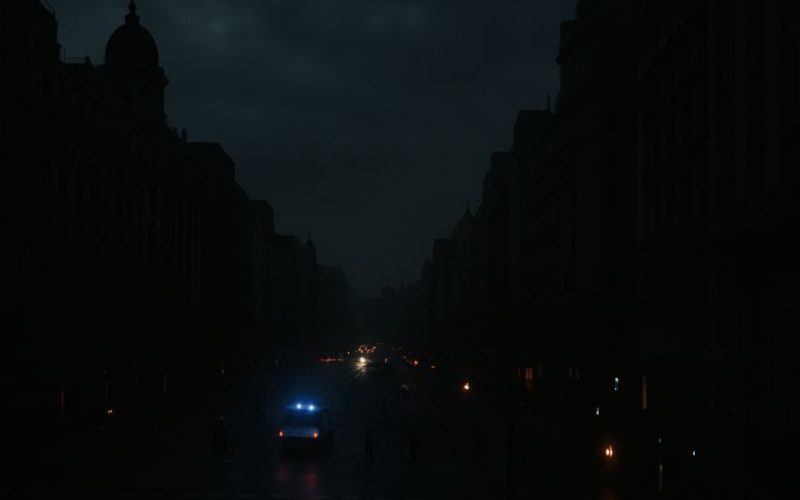
On 28 April 2025, a massive power outage swept across Spain and Portugal, leaving millions without electricity, internet, or phone connectivity.
The event has been officially recognised as Europe’s most severe blackout in over two decades, with new findings revealing it was the first major blackout caused by overvoltage, a type of electrical fault rarely associated with system-wide collapses.
The disruption originated from cascading overvoltages, which overloaded the transmission systems of both countries. Unlike traditional power failures that result from under-voltage or infrastructure damage, this unique incident exposed an underexplored vulnerability in the energy network.
How Did Overvoltage Lead to the Widespread Power Outage?
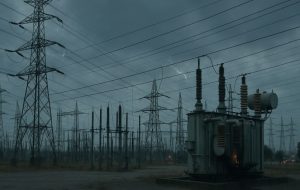
According to a preliminary report by Entso-e (European Network of Transmission System Operators for Electricity), the blackout was triggered by a surge in electrical voltage that exceeded safe operational limits.
Overvoltage, typically caused by lightning, oversupply, or inadequate grid equipment, spread rapidly across interlinked systems. The automatic defence mechanisms in place were activated but proved insufficient to stop the shutdown.
Entso-e’s president, Damian Cortinas, emphasised that this kind of incident is “new territory” and has prompted a reevaluation of how voltage surges are managed at the continental level.
What Was the Immediate Impact on Daily Life Across Spain and Portugal?
The blackout led to chaos across the Iberian Peninsula, particularly in urban areas. Critical services were brought to a standstill:
- Thousands of train passengers were stranded mid-journey
- Mobile and internet networks were down for hours
- Hospitals activated emergency protocols, halting scheduled surgeries
- ATMs and card payment systems failed, forcing queues at cashpoints
- Public transport systems, including subways and buses, were disrupted
In Madrid alone, emergency crews were dispatched to over 280 buildings to rescue people trapped in elevators.
Which Cities Were Affected During the Blackout?
The blackout hit both Spain and Portugal heavily, with short-lived impact on parts of southwestern France. The most severely affected cities included:
| Country | Major Cities Affected |
| Spain | Madrid, Barcelona, Seville |
| Portugal | Lisbon, Porto |
| France | Toulouse (briefly) |
The scope and speed of the outage surprised many, highlighting the interconnectedness and shared vulnerabilities within the region’s power grid.
What Does the Entso-e Report Reveal About the Grid Failure?

Entso-e’s initial findings concluded that a series of cascading overvoltages overwhelmed protective systems. It was the first recorded incident where this specific fault led to such a widespread blackout.
Interestingly, while defence mechanisms were activated, they could not contain the surge quickly enough to prevent a complete grid collapse.
Additionally, investigators noted that collecting complete, high-quality data was challenging, indicating possible data logging and monitoring limitations within the system.
A more detailed and final report is expected in the first quarter of 2026, which will delve deeper into the root causes and control responses.
Who Is Being Held Responsible for the Blackout?
Responsibility for the outage is still under investigation, but the finger-pointing has already begun:
- Spanish government investigations suggested Red Eléctrica and private utility companies share the blame.
- Red Eléctrica’s parent company, Redeia, argued that power plants failed to maintain voltage stability.
- Private energy firms, on the other hand, blamed poor grid planning and management by operators.
Despite the blame game, Entso-e has stated that its role is not to apportion blame, but to provide facts and recommendations.
How Did the Blackout Affect Key Infrastructure and Services?
Several sectors experienced major disruptions:
- Madrid Open Tennis was paused mid-match
- Oil refineries owned by Moeve temporarily shut down operations
- Traffic lights failed, leading to congestion and road accidents
- Telecommunications networks were disrupted, cutting off emergency lines and personal communications
- Businesses reliant on electronic payments had to shut temporarily
The blackout’s extensive reach underscores the need for more resilient and decentralised power systems.
Did Renewable Energy Contribute to the Blackout?

Some political commentators questioned whether Spain’s shift toward renewable energy sources might have exacerbated the situation. However, Entso-e dismissed this theory, stating that the presence of renewables had no direct link to the overvoltage or its impact.
The organisation also clarified that even if double the power interconnection capacity had been available with neighbouring countries, it would not have prevented or mitigated the blackout’s effects.
What Are the Political Reactions to the April 2025 Power Failure?
The blackout has reignited debate in Spain over its energy policy and infrastructure reliability. The opposition party criticised the government for pushing renewables while reducing dependence on traditional, more stable sources like nuclear energy.
However, Minister for Ecological Transition, Sara Aagesen, responded that the Entso-e report aligns with the government’s own findings and does not implicate renewable energy policy.
In response, both Spain and Portugal have urged the EU to support development of stronger power interconnections with other European countries to enhance resilience.
How Are Spain and Portugal Planning to Prevent Future Blackouts?
In the aftermath, both governments are focusing on:
- Upgrading voltage regulation equipment
- Improving data collection during grid failures
- Encouraging cross-border infrastructure projects
- Enhancing real-time monitoring systems
- Supporting independent and transparent investigations
The final Entso-e report due in 2026 will be pivotal in shaping future energy policies across the continent.
What Are the Technical Terms Behind the Blackout?
Understanding the terminology is essential:
- Overvoltage: Electrical voltage exceeding safe levels
- Cascading failures: Chain reactions of system breakdowns
- Automatic defence plans: Safety mechanisms to isolate faults
- Grid interconnection: Cross-border linking of energy systems
These terms will likely feature more in future energy discussions following this unprecedented event.
What Role Did Automatic Defence Plans Play During the Blackout?
Automatic defence mechanisms, designed to isolate faults and stabilise the grid, were deployed almost instantly. However, the speed and intensity of the overvoltage exceeded their capabilities.
This has prompted calls for a review of contingency protocols, especially under scenarios involving surges rather than outages from supply shortfalls.
What Data Gaps Were Identified in the Initial Reports?
Entso-e’s report mentions that obtaining full, high-quality data was a challenge, indicating possible weaknesses in how grid operators log and share system data.
This has led to a proposal for more standardised data-sharing protocols across national energy providers.
What Can We Learn from the Largest European Blackout in 20 Years?
The April 2025 blackout is a stark reminder of the fragility of modern energy systems, even in technologically advanced nations. Key takeaways include:
- The importance of overvoltage protections
- The need for robust cross-border coordination
- Improved real-time monitoring and response
- Transparent, accountable energy governance
As Spain and Portugal move forward, their response could become a blueprint for managing future grid crises across Europe.
Conclusion
The Spain Portugal blackout report marks a critical moment in Europe’s energy history. As investigations continue, it’s clear that overvoltage presents a new kind of threat to modern electricity systems.
While no single party is solely to blame, the event has triggered urgent conversations about infrastructure, data integrity, and system resilience.
Moving forward, Spain and Portugal’s response will likely shape how Europe adapts to emerging energy risks and safeguards its interconnected power networks.
Frequently Asked Questions
What is the difference between overvoltage and a typical power outage?
Overvoltage occurs when electrical voltage exceeds safe levels, while most power outages result from equipment failure or supply shortage.
Why did automatic safety systems fail during the blackout?
They were activated but couldn’t handle the scale and rapid spread of the overvoltage, which overwhelmed the systems.
Was there any evidence of a cyberattack?
No, Entso-e confirmed that there is no indication of cyber interference in this incident.
Could better interconnection with other countries have prevented the outage?
No. Entso-e stated that even doubling interconnection would not have stopped or reduced the blackout’s impact.
Are overvoltage blackouts common in Europe?
No, this was the first of its kind, making it an important case study for future energy planning.
Did Spain’s reliance on renewable energy worsen the blackout?
No evidence supports this. The report clarified that renewables were not a contributing factor.
What’s the timeline for the final investigation report?
Entso-e has scheduled the final report for Q1 2026, which will provide deeper analysis and preventive recommendations.