




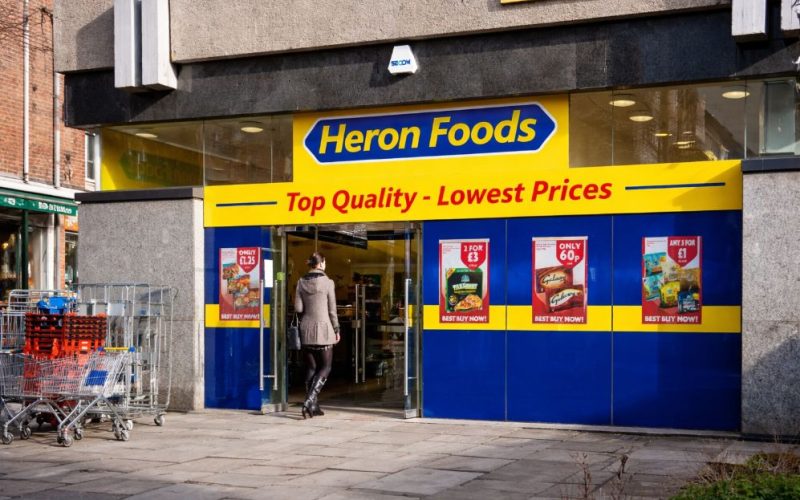
In recent months, reports of Heron Foods store closure announcements have raised questions among shoppers across the UK. As a well-known discount supermarket chain, Heron Foods has built a loyal customer base by offering low-cost groceries, frozen food, and household essentials. When a branch shuts its doors, it naturally attracts attention particularly in communities where affordable food retailers are essential.
However, it is important to approach the topic calmly and factually. A number of Heron Foods branches have closed in specific locations, but there is no confirmed evidence that the company is shutting down nationally. Like many retailers operating in the UK’s challenging economic climate, Heron Foods periodically reviews store performance and makes strategic decisions about underperforming locations.
Heron Foods is owned by B&M, one of the UK’s largest discount retailers. This ownership provides financial backing and operational support, which differentiates it from independent retailers facing greater financial vulnerability.
In short, while individual closures have occurred, the wider business continues to operate hundreds of stores across the country.
Why Are Some Heron Foods Branches Shutting Down?
 The reasons behind a Heron Foods store closure are not unique to this chain. The wider UK retail sector has been under sustained pressure for several years.
1. Rising Operational Costs
Retailers are facing:
- Increased energy bills
- Higher business rates
- Wage increases due to National Living Wage adjustments
- Supply chain and distribution costs
For discount supermarkets operating on slim profit margins, even modest cost increases can affect store viability.
2. Changing Shopping Habits
Consumer behaviour in the UK has shifted. Many shoppers now:
- Use larger supermarkets for bulk buying
- Shop online for convenience
- Visit retail parks instead of traditional high streets
This decline in town-centre footfall can make smaller branches less profitable.
3. Strong Competition in the Discount Sector
The expansion of major discount chains such as Aldi and Lidl has intensified competition. These retailers continue to open new stores across the UK, often in larger formats with broader product ranges.
Heron Foods operates in a slightly different segment often smaller high street locations but competition for price-sensitive customers remains fierce.
4. Strategic Restructuring
Retail closures do not always signal distress. Sometimes they reflect:
- Relocation to better premises
- Lease expiration decisions
- Consolidation of overlapping branches
- Performance-based restructuring
Retail analysts frequently describe this as “portfolio optimisation” rather than decline.
How Do Store Closures Affect Local Communities?
When a Heron Foods branch closes, the impact is often most felt locally.
Impact on Shoppers
In many towns, Heron Foods provides affordable frozen goods and everyday essentials. Its closure may mean:
- Higher travel costs to alternative stores
- Reduced access for elderly residents
- Fewer low-cost grocery options
Impact on Employees
Retail closures can affect staff through:
- Redundancies
- Transfers to nearby branches
- Reduced working hours
Companies sometimes offer redeployment opportunities where possible, but outcomes vary depending on location.
Real-Life Scenario
Consider a small Midlands town where Heron Foods occupies a central high street unit. If that branch closes, elderly residents who walk to shop may need to rely on buses to out-of-town supermarkets. While alternatives may exist, convenience and accessibility are reduced.
This demonstrates how a single store closure can extend beyond simple commercial decisions.
Are More Heron Foods Store Closures Expected in 2025?
The broader UK retail environment remains uncertain. National data shows that high street shop closures continue, particularly in smaller towns.
However, there is no official confirmation of widespread upcoming Heron Foods store closures nationwide.
Retail experts suggest that:
- Selective closures are likely across the sector
- Discount retail remains comparatively resilient
- Parent company support from B&M strengthens operational stability
It is important to separate confirmed announcements from speculation on social media. Rumours often exaggerate the scale of closures.
How Does This Compare to Other UK Retail Store Closures?
 Heron Foods is not alone in adjusting its store portfolio. Across the UK:
- Major supermarket chains have closed underperforming branches
- Convenience stores have consolidated
- High street vacancy rates remain elevated
The shift reflects structural changes in retail rather than the failure of a single brand.
Larger retailers, including Tesco and Sainsbury’s, have also periodically closed smaller or underperforming locations as part of long-term strategy adjustments.
This context helps readers understand that a Heron Foods store closure fits into a broader retail trend.
Confirmed Facts vs Speculation About Heron Foods Store Closures
| Topic | Confirmed Facts | Speculation or Misinformation |
| National shutdown | No confirmed nationwide closure | Claims that all stores are closing |
| Ownership | Owned by B&M | Rumours of independent financial collapse |
| Store numbers | Hundreds of UK branches still trading | Social media posts suggesting mass shutdown |
| Financial stability | Backed by major UK discount retailer | Unverified claims of bankruptcy |
This distinction is essential for balanced reporting.
What Should Customers Do If Their Local Heron Foods Closes?
If affected by a local Heron Foods store closure, customers can:
- Check the official Heron Foods website for store locator updates
- Contact customer services for confirmation
- Explore nearby discount supermarkets
- Monitor local council or landlord announcements
Remaining informed through official channels helps avoid confusion.
What’s Next for Heron Foods?
Despite isolated closures, Heron Foods continues to operate as part of the wider B&M retail group. Strategic adjustments are common in retail and do not necessarily signal instability.
Industry trends suggest discount grocery demand remains strong due to ongoing cost-of-living pressures. This environment can favour value-focused chains.
While individual branches may close due to performance or lease decisions, the company’s national presence remains significant.
Conclusion
Reports of Heron Foods store closure announcements can understandably concern local communities. However, current evidence indicates that closures are selective rather than nationwide.
Retail restructuring, economic pressures, and evolving shopping habits all contribute to branch-level decisions. With backing from B&M and continued demand for discount groceries, Heron Foods remains an active player in the UK retail market.
For shoppers, the key is to rely on confirmed information, avoid speculation, and check official updates before drawing conclusions.
FAQs About Heron Foods Store Closures
Is Heron Foods going out of business completely?
There is no confirmed information suggesting a full national shutdown. The company continues to trade across the UK.
How many Heron Foods stores currently operate in the UK?
Heron Foods operates hundreds of branches nationwide, although numbers may change as stores open or close.
Why do discount supermarkets close stores if they are popular?
Popularity does not always equal profitability. Lease costs, energy prices, and staffing expenses influence decisions.
Can staff transfer to another branch after closure?
In some cases, redeployment is offered depending on nearby vacancies and operational needs.
Are discount retailers more resilient during economic downturns?
Historically, discount retailers can perform relatively well during cost-of-living pressures, but they still face operational challenges.
Where can customers check verified closure announcements?
Official company websites and trusted local news outlets provide the most accurate updates.
Are high street closures increasing across the UK?
Data shows continued pressure on high streets, particularly in smaller towns and city centres.