



Table of Contents Show
🚇 Quick Summary: 2026 Tube Strike Dates
- 🗓️ Next Strikes: 24–25 March & 26–27 March 2026
- ⏰ Time: 12:00 PM (Noon) to 11:59 AM (Next Day)
- ⚠️ Impact: Severe disruption across all London Underground lines.
Jump to Section:
- Full 12-Day Strike Schedule (March–May)
- Affected Lines & TfL Status
- The Dispute: RMT vs TfL Explained
- Best Alternative Travel Routes
- Frequently Asked Questions
London commuters, tourists, and businesses are preparing for travel disruption as London Tube strikes 2026 have been scheduled across March, April and May. The strike action follows a dispute between the Rail, Maritime and Transport (RMT) union and Transport for London (TfL) regarding proposed changes to train driver working patterns.
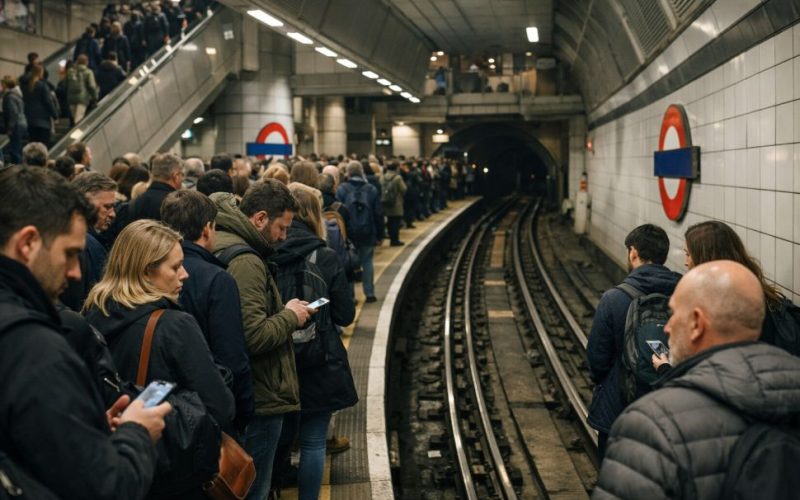
The RMT union has announced 12 days of industrial action, which includes six separate 24-hour strike periods. These strikes will run from midday to midday, meaning disruption can affect both afternoon travel on the first day and morning travel on the following day.
The central issue behind the dispute is a proposed compressed four-day working week for drivers on parts of the network. While TfL says the change is voluntary and intended to improve reliability, the union argues the proposal could create fatigue risks and safety concerns.
For anyone travelling in London, understanding the strike dates, affected services, and alternative transport options will be essential for navigating the city during these disruptions.
When Are the London Tube Strikes Scheduled for 2026?
 The London Tube strikes 2026 are scheduled across three months. Each strike runs from 12:00 PM (noon) to 11:59 AM the following day, meaning services may begin shutting down during the afternoon and take time to recover the next morning.
These strike windows are designed to maximise disruption during busy commuting periods.
What Are the Confirmed Tube Strike Dates from March to May 2026?
Below is the complete confirmed strike schedule announced so far. Travellers should note that the disruption may extend beyond these exact times while services restart.
| Month | Strike Start (12:00 PM) | Strike End (11:59 AM) | Status |
|---|---|---|---|
| March | Tuesday 24 March | Wednesday 25 March | Confirmed |
| March | Thursday 26 March | Friday 27 March | Confirmed |
| April | Tuesday 21 April | Wednesday 22 April | Confirmed |
| April | Thursday 23 April | Friday 24 April | Confirmed |
| May | Tuesday 19 May | Wednesday 20 May | Confirmed |
| May | Thursday 21 May | Friday 22 May | Confirmed |
Passengers travelling through major interchange stations such as Waterloo, King’s Cross St Pancras, Victoria, and Oxford Circus should expect long queues and heavy congestion during these strike periods.
Morning services on the first day may operate for a short time before disruption escalates.
Which London Underground Lines Will Be Affected During the Strike?
The London Underground network will be the primary system affected during the London Tube strikes 2026. The industrial action involves members of the RMT union, many of whom operate trains and perform key operational roles across the network.
Because of this, many lines may experience:
- Reduced services
- Long delays
- Partial suspensions
- Complete shutdowns on certain routes
However, not all drivers are participating in the strike.
Drivers represented by the Aslef union are not currently part of this industrial action, which means that limited services may still run on some lines depending on staffing availability.
In particular, the Bakerloo line pilot programme related to the proposed four-day working week may still operate some trains.
Passengers should check TfL service updates on the morning of the strike to see which lines are operating.
Will the Elizabeth Line and London Overground Still Run?
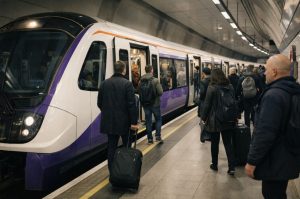 Yes. Current information suggests that several non-Underground services are expected to operate during the strike days.
These include:
- The Elizabeth Line
- London Overground
- Most National Rail services
Although these services will run, they are expected to become extremely busy because many passengers will shift away from the Underground network.
Stations such as:
- Liverpool Street
- Paddington
- Stratford
- Whitechapel
may experience exceptionally high passenger numbers.
Travellers should allow extra time and avoid peak commuting hours where possible.
Why Are the London Tube Strikes Happening in 2026?
The London Tube strikes 2026 are linked to an ongoing dispute over working conditions and proposed schedule changes for train drivers.
Transport for London has been discussing a compressed four-day working week for some drivers, starting with a potential pilot programme on the Bakerloo line.
Confirmed Facts
TfL has confirmed that discussions with unions are ongoing about how such working patterns might be introduced.
A TfL spokesperson stated:
The aim of the proposal is to allow drivers to work longer shifts over four days instead of five, which TfL believes could improve scheduling flexibility.
What Concerns Has the RMT Union Raised?
The RMT union strongly opposes the proposal and has argued that the changes could negatively affect safety and working conditions.
RMT General Secretary Eddie Dempsey said:
Union representatives say drivers are worried about:
- Longer individual shifts
- Increased fatigue
- Potential safety risks
- Reduced work-life balance
Because negotiations have not yet reached an agreement, the union has moved forward with industrial action.
What Information About the Strike Is Confirmed and What Is Still Under Discussion?
 Understanding the difference between confirmed facts and proposed changes can help avoid confusion.
Confirmed Information
- Strike dates have been officially announced
- The RMT union has authorised industrial action
- TfL and unions are negotiating working pattern changes
Proposed Changes
- A four-day working week pilot programme on the Bakerloo line
Misinformation Circulating Online
Some online discussions have claimed that all Tube drivers will immediately move to a four-day week. This is incorrect.
At present, the discussions involve a limited pilot scheme only, and negotiations are still ongoing.
How Can Commuters Travel Around London During Tube Strikes?
Although Underground services may be limited, London still offers many alternative travel options.
Planning ahead can significantly reduce travel disruption.
How Can the TfL Go App Help During the Tube Strike?
The TfL Go app is one of the most useful tools for navigating London during transport disruptions.
The app provides:
- Live service updates
- Journey planning
- Real-time crowding data
- Alternative route suggestions
Checking the app before leaving home can help travellers avoid closed stations and heavily disrupted lines.
Are Santander Cycles a Good Alternative During Tube Strikes?
 Yes. Santander Cycles provide a practical short-distance travel option across central London.
During previous Tube strikes, many commuters chose cycling as a faster way to travel between nearby locations.
Popular docking areas include:
- Waterloo
- London Bridge
- Victoria
- Hyde Park
- King’s Cross
For journeys under 30 minutes, Santander Cycles can often be faster than waiting for limited public transport services.
Is Walking a Practical Way to Travel During the Strike?
For many central London journeys, walking can be surprisingly convenient.
Some common walking routes include:
- Waterloo to Covent Garden — approximately 20 minutes
- King’s Cross to Euston — around 10 minutes
- Oxford Circus to Soho — roughly 8 minutes
Pedestrian-friendly areas such as South Bank, Bloomsbury, and Regent Street make walking a comfortable option during transport disruptions.
How Can Travellers Reach London Airports During the Tube Strike?
Airport travellers should plan carefully, as Tube connections may be limited.
Heathrow Airport
Recommended alternatives include:
- Heathrow Express from Paddington
- Elizabeth Line from central London
Gatwick Airport
Options include:
- Gatwick Express from Victoria
- Thameslink services
Stansted Airport
Travellers can use:
- Stansted Express from Liverpool Street
Airport trains are expected to run but may be busier than usual, so allowing extra travel time is strongly recommended.
How Busy Will Major London Stations Be During the Strike?
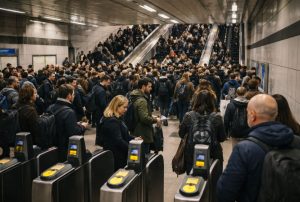 Major transport hubs are likely to experience significant congestion.
Stations expected to be particularly crowded include:
- Waterloo
- King’s Cross St Pancras
- Victoria
- Liverpool Street
- Oxford Circus
Some stations may introduce temporary entry restrictions or queue management systems to maintain safety.
Travellers should consider alternative routes or nearby stations when possible.
Conclusion
The London Tube strikes 2026 scheduled for March, April and May are expected to create significant travel disruption across the capital. With multiple strike days planned, commuters and visitors should stay informed and plan journeys carefully.
Checking service updates, considering alternative transport options, and allowing extra travel time can help reduce stress during these strike periods.
As negotiations between Transport for London and the RMT union continue, there remains a possibility that strike plans could change. Monitoring official announcements will be the best way to stay informed.
FAQs About London Tube strike
Will the London Tube strike be cancelled?
Strike action can sometimes be suspended if negotiations progress successfully. However, at present, the London Tube strikes 2026 remain scheduled. Passengers should monitor official updates in case the situation changes.
Are London buses affected by the Tube strike?
No. London bus services are not part of the strike action and will continue operating. However, they are expected to be much busier than usual.
Will the Elizabeth Line operate normally during the strike?
Yes. The Elizabeth Line is expected to operate normally. However, increased passenger demand may lead to crowded trains and stations.
How can passengers check live travel updates?
Travellers can check updates through the TfL Go app, official TfL announcements, station information boards, and trusted news sources.
What time do the Tube strikes start and end?
Each strike begins at 12:00 PM (midday) and ends at 11:59 AM the following day, though disruption may begin earlier and last longer.
Will services return immediately after the strike ends?
No. It may take several hours for services to fully resume after the strike ends, particularly during the morning commute.
Should travellers avoid central London during the strike?
If possible, travellers may benefit from delaying journeys, working remotely, or travelling outside peak hours to reduce disruption.