




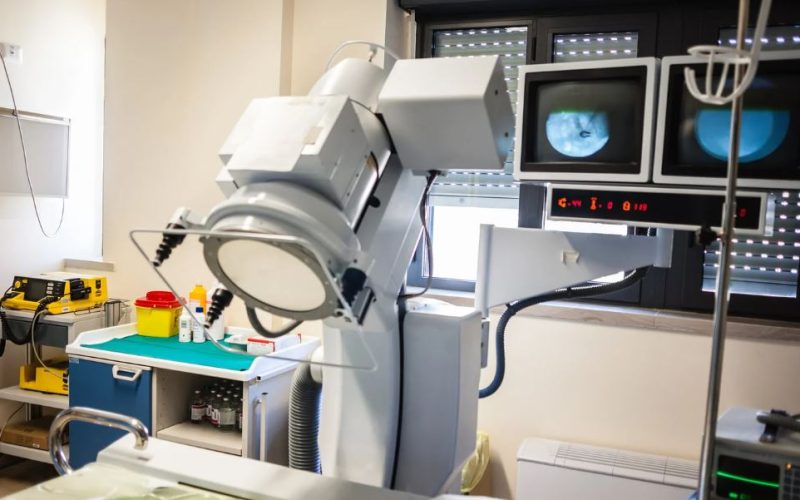
If you’re dealing with the pain of kidney stones, it’s natural to feel uncertain about which treatment might help you recover faster and more comfortably.
Two common procedures your urologist might recommend are Extracorporeal Shock Wave Lithotripsy (ESWL) and Percutaneous Nephrolithotomy (PCNL).
Both aim to remove kidney stones, yet they differ in how they’re performed, their recovery times, and the types of stones they treat. Follow along to understand how these two procedures compare and which one might be the right choice for you.
What is ESWL?
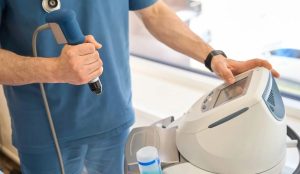
Extracorporeal Shock Wave Lithotripsy (ESWL) is a non-invasive treatment that uses focused sound waves to break kidney stones into tiny pieces. These fragments can then pass naturally through your urine over the next few days or weeks.
You’ll usually receive light sedation to help you relax, and most procedures take about an hour. Because there’s no incision, you’ll likely go home the same day and resume normal activities soon after.
This method works best for smaller stones that are located in the kidney or upper ureter. It’s gentle on your body and offers a quicker recovery compared to surgical options. You might notice mild bruising, soreness, or blood in your urine, but these effects usually fade within a few days.
For patients seeking expert care with the latest technology in stone treatment, ESWL at Urocare provides a safe and comfortable approach guided by experienced urologists.
Understanding PCNL
On the other hand, Percutaneous Nephrolithotomy (PCNL) is a minimally invasive surgical option for larger or more complex kidney stones that cannot be treated effectively with ESWL.
During the procedure, your surgeon makes a small incision in your back to access the kidney directly. Through this opening, a thin tube and specialised instruments are inserted to break and remove the stones.
You’ll be under general anaesthesia, meaning you’ll sleep through the procedure. Most patients stay in hospital for one or two days afterward to ensure proper recovery. It’s normal to have a small drainage tube in place temporarily to help the kidney heal.
Comparing Recovery and Effectiveness
Your recovery time and comfort depend largely on the type of treatment chosen. ESWL usually allows you to return to your normal routine within a few days, while PCNL might take a week or two since it involves a small incision.
In terms of success, both treatments can effectively clear kidney stones. However, ESWL might require more than one session if the stones are particularly dense or numerous, while PCNL typically removes all stones in one procedure.
Your urologist might suggest starting with ESWL and moving to PCNL if needed, depending on the stone’s size, position, and composition.
Choosing the Right Option for You

Selecting between ESWL and PCNL depends on your stone size, overall health, and personal comfort level. If you prefer a less invasive approach and have smaller stones, ESWL will be the better choice. For larger or more complex stones, PCNL often provides a more thorough solution.
Your urologist will help you understand the benefits and potential risks of each procedure so you can make an informed decision. Don’t hesitate to ask questions during your consultation. Knowing what to expect can make you feel more confident about your treatment plan.
To Summarise
Both ESWL and PCNL are proven procedures for managing kidney stones safely and effectively. Understanding their differences helps you take control of your care and choose a treatment that suits your needs.
ESWL offers a gentler approach with minimal downtime, while PCNL provides a more direct and complete solution for larger stones.
Clinics use the most advanced methods to ensure your safety, comfort, and recovery are always the top priority. Whichever procedure you choose, you’re taking an important step towards better health and relief from kidney stone discomfort.
Disclaimer: This content is for informational purposes only and shouldn’t replace advice from a qualified healthcare professional. Always consult your doctor before undergoing any treatment.